Monolithic Zirconia Crown, Monolithic Zirconium & Full Contour Zirconia | ASD Dental Lab
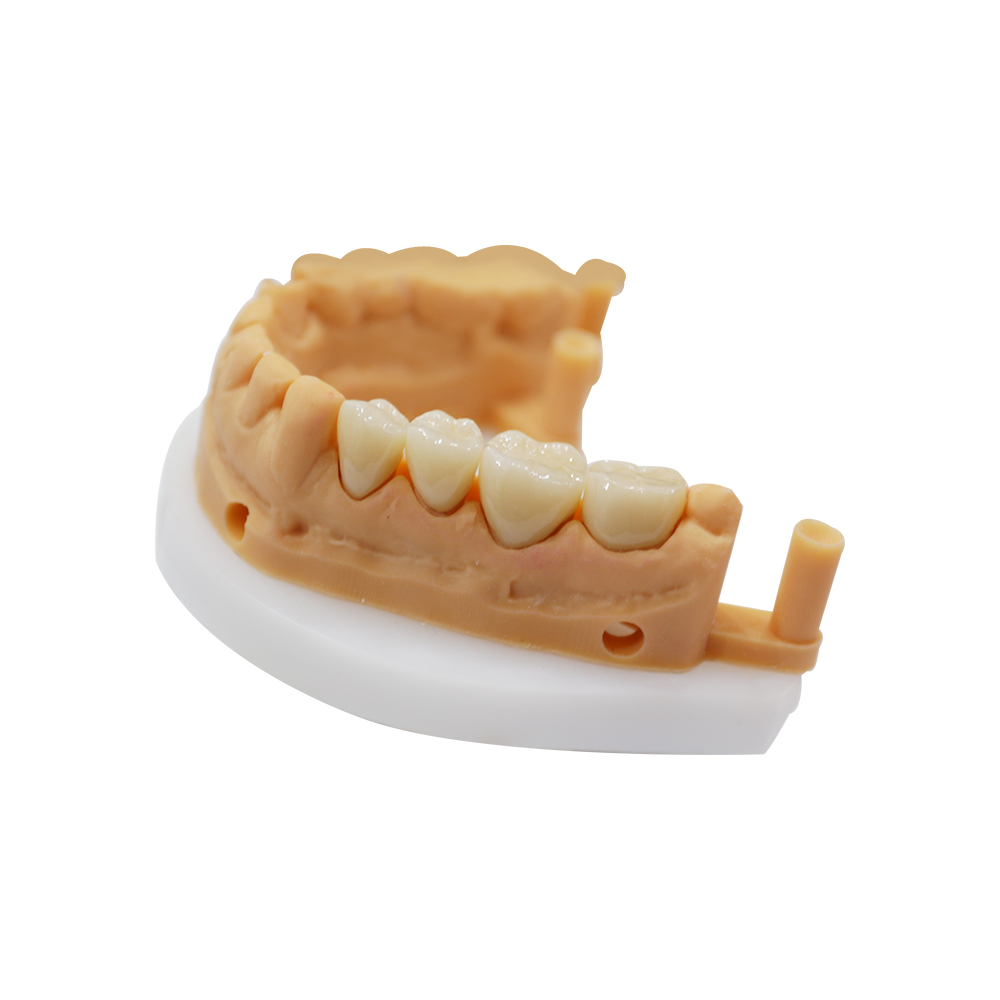


Professional monolithic zirconia restorations for dentists, clinics, and dental laboratories worldwide
What Is a Monolithic Zirconia Crown?
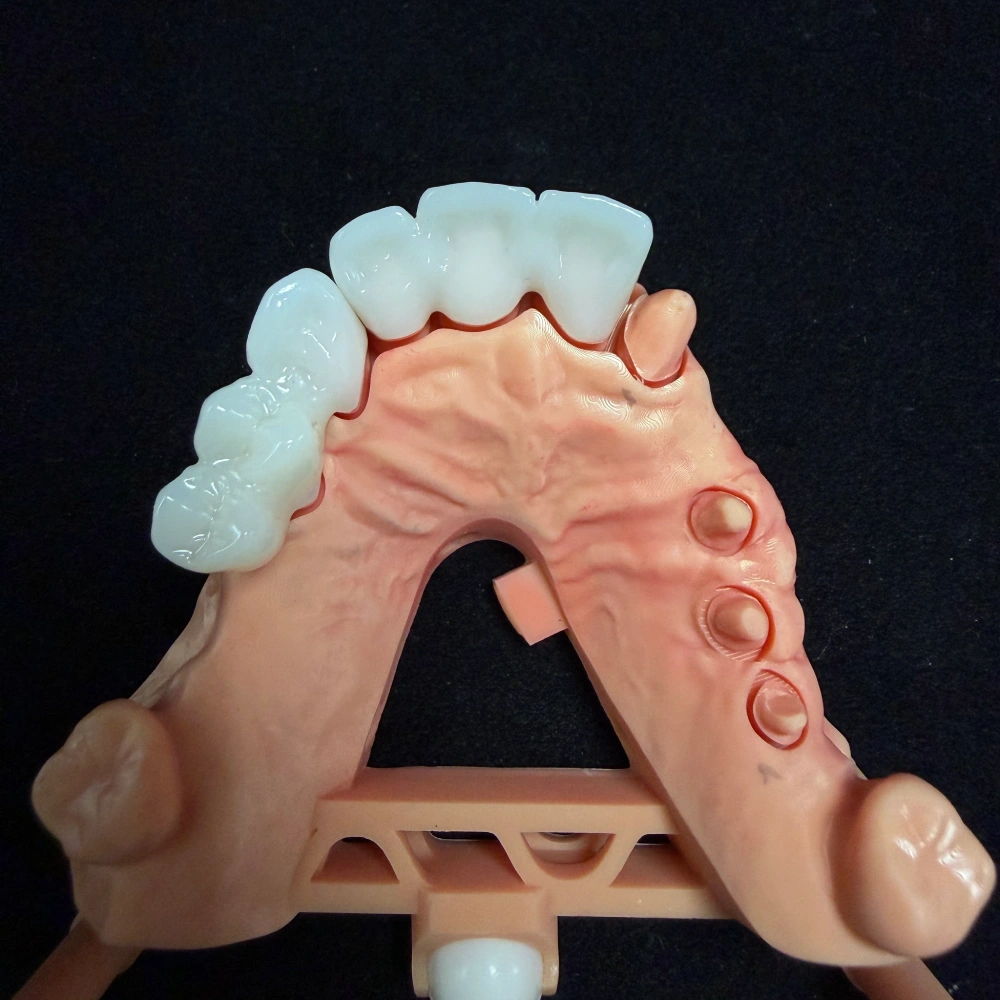
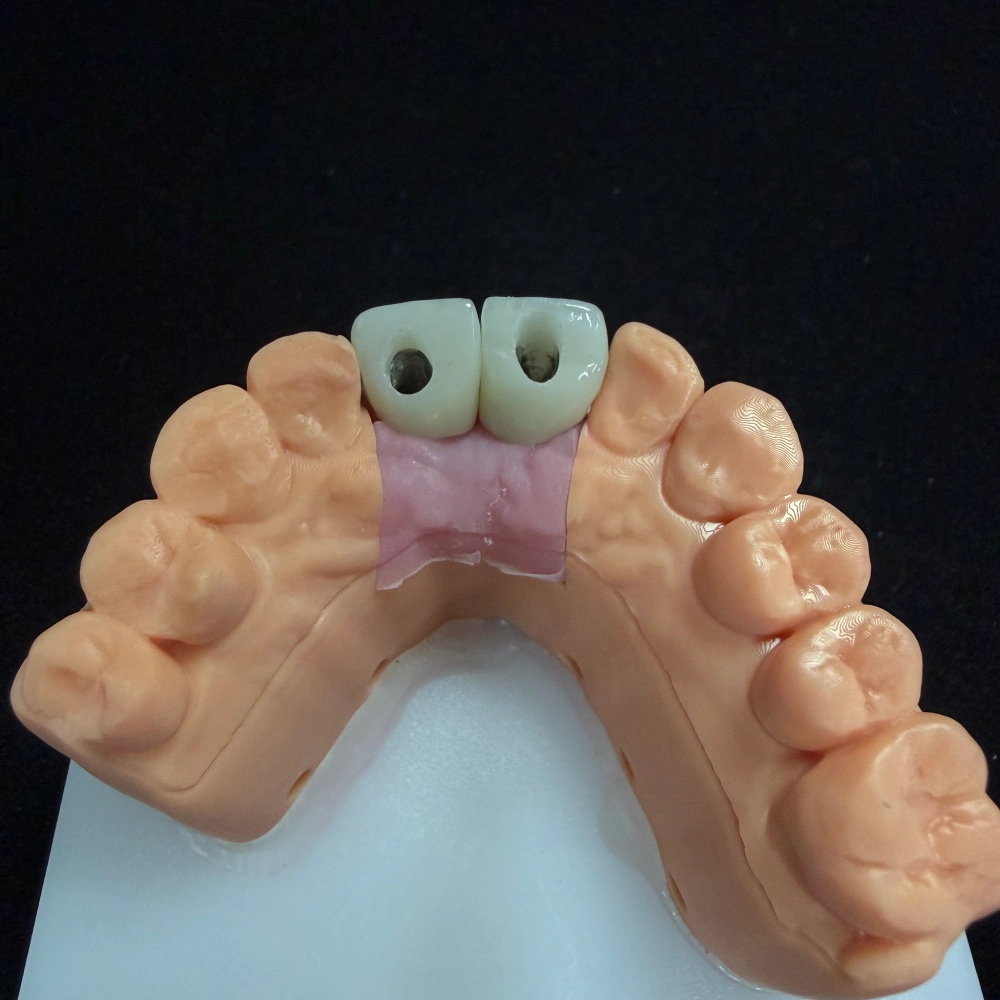
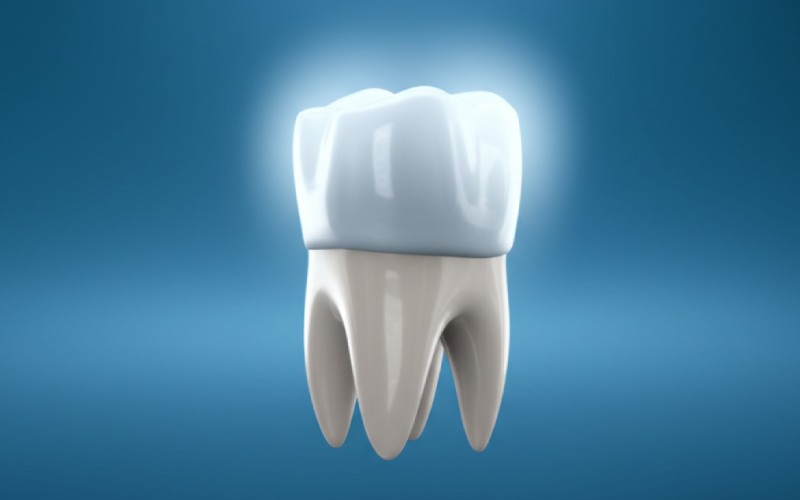
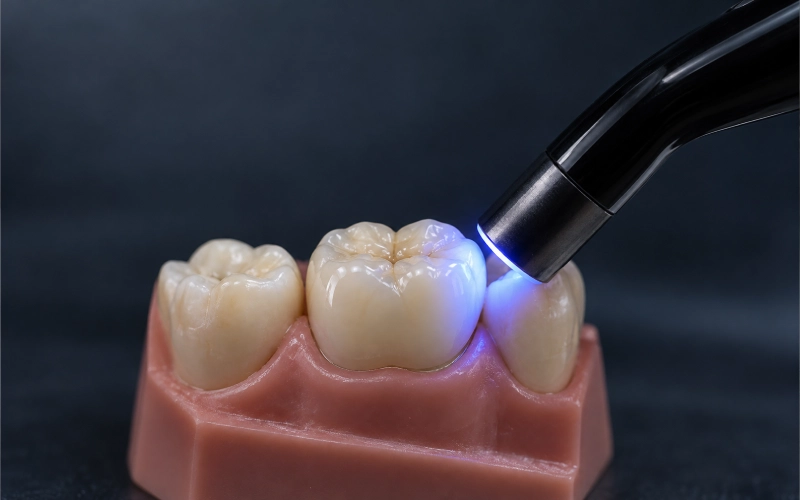
A monolithic zirconia crown—also called a monolithic zirconium crown, full contour zirconia, full-anatomic zirconia, or solid zirconia—refers to a dental restoration where the entire external tooth anatomy is milled from zirconia itself, without a separately veneered porcelain layer. The restoration may be stained, glazed, or polished, but there’s no structural ceramic veneer that can chip or delaminate.
You’ll see all five terms used interchangeably across the literature. Whether your lab tech, dentist, or supplier calls it a monolithic zirconia crown, a monolithic zirconium restoration, or a full contour zirconia crown, they’re describing the same thing: a single-piece zirconia restoration with no porcelain veneer.
This design eliminates the most common technical failure mode of traditional layered zirconia: veneer fracture. It also allows restorations to be fabricated in reduced occlusal space, making monolithic zirconia crowns and full contour zirconia bridges a practical solution for cases with limited vertical clearance or heavy occlusal forces.
Material Science: 3Y, 4Y, and 5Y Zirconia
Zirconia isn’t one material. The yttria content determines strength, toughness, and translucency—and that variation is why clinicians specify “3Y” or “5Y” rather than just “zirconia”:
| Material | Flexural Strength (approx.) | Translucency | Best For |
| 3Y-TZP | 900–1,300 MPa | Lower (more opaque) | Posterior crowns, bridges, bruxers, long-span FDPs, masking dark substrates |
| 4Y-PSZ | 600–1,000 MPa | Moderate | Balance of strength and esthetics for premolars and anterior cases |
| 5Y-PSZ | 600–800 MPa | Higher (more translucent) | Anterior single crowns with controlled occlusal load; not for all three-unit molar bridges |
These ranges reflect laboratory testing under specific conditions and vary by product, grain size, sintering schedule, surface treatment, and test method. They’re not interchangeable across brands.[2]
Increasing yttria increases the cubic phase and translucency but reduces transformation toughening—the mechanism that makes 3Y so strong. Some 5Y products may meet ISO/ANSI-ADA Class 3 strength thresholds but not Class 4, which applies to certain posterior three-unit prostheses.[3]
Practical takeaway: 3Y for strength-critical cases. 4Y when you need both. 5Y when esthetics outweigh load—but verify the product’s Class rating before using it for high-stress applications.
Tooth Preparation Guidelines
Preparation thickness affects both fracture resistance and esthetic outcome. Evidence-based guidelines (not universal standards) from contemporary reviews:
| Surface | 3Y-TZP | 4Y-PSZ | 5Y-PSZ |
| Occlusal | ≈ 1.0 mm | ≈ 1.2 mm | ≈ 1.5 mm |
| Axial walls | ≥ 1.0 mm with light chamfer or shoulder | ≥ 1.0 mm | ≥ 1.0 mm |
In vitro studies suggest 3Y may tolerate occlusal thickness as low as 0.5 mm under laboratory conditions, but that threshold should not be extrapolated to every clinical case without considering load, span, connector design, and patient factors.[6]
Margin design: Light chamfer or shoulder. Heavy chamfers and deep shoulders aren’t required for monolithic zirconium restorations the way they are for metal-ceramic crowns.
Connector dimensions for multi-unit FDPs: Research compares 9 mm² versus 12 mm² connectors. The 9 mm² threshold appears in some manufacturer recommendations, but researchers caution that high-load, long-span, or lower-strength/higher-translucency zirconia may benefit from larger, more rounded connectors.[7]
Cementation: The APC Protocol
Zirconia is a silica-free polycrystalline ceramic. Hydrofluoric acid etching and silane coupling—standard for glass-based ceramics like e.max—are not reliable for monolithic zirconia or full contour zirconia restorations.
The evidence-supported protocol is APC:
- A: Low-pressure alumina sandblasting (approximately 50 µm at low pressure)
- P: Primer containing 10-MDP (a phosphate ester monomer that bonds chemically to zirconia’s oxide surface)
- C: Composite resin cement
The ADA notes that U.S. dentists commonly use glass-ionomer or resin-modified glass-ionomer cements for zirconia, which may be acceptable for conventional cementation when adhesive bonding isn’t required.[3]
Clinical implication: If you’re bonding a monolithic zirconium crown, follow APC. If you’re cementing conventionally, document the rationale and confirm retention is adequate.
Indications and Contraindications
Favorable indications for full contour zirconia and monolithic zirconia crowns:
- Posterior single crowns and multi-unit FDPs
- Cases with limited occlusal clearance
- Patients with bruxism or heavy occlusal forces
- Implant-supported crowns and bridges
- Full-arch implant prostheses
- Situations where veneer chipping has been a recurring problem
Relative contraindications or caution zones:
- Highly esthetic anterior cases where optical depth and characterization are critical (consider 5Y, cut-back, or lithium disilicate)
- Very long-span FDPs (≥4 units) in high-load situations without adequate connector dimensions
- Use of 5Y zirconia for Class 4 applications (certain molar three-unit bridges) if the product doesn’t meet that strength threshold
Turnaround Time and Shipping
Standard turnaround: 2–5 business days from case approval to shipment.
Rush cases: Available on request; contact your case coordinator for feasibility and pricing.
Shipping: We ship worldwide via DHL, FedEx, and UPS. Tracking is provided for every case. Delivery time depends on destination—typically 2–3 business days to the U.S. and Europe.
Pricing and Ordering
We work with:
- Individual dentists and clinics
- Dental laboratories (white-label service available)
- DSOs and group practices
- International distribution partners
Minimum order: None. We accept single-unit cases.
Pricing: Contact our sales team for a detailed B2B price list. Pricing varies by material (3Y/4Y/5Y), restoration type (crown/bridge/implant), quantity, and service level. Contact ASD Dental Lab.
📧 Email: [[email protected]]
Quality, Compliance, and Traceability
Regulatory status:
- FDA registered establishment (Shenzhen facility)
- FDA-listed devices covering multiple restoration categories (510(k) exempt Class II devices)
- EU MDR notification for Class IIa custom-made devices
You can verify our FDA registration and device listings directly on the FDA website.
Traceability:
Every case is traceable to:
- Technician and designer
- Material batch number and brand
- Milling equipment and sintering furnace
- QC inspection records
We retain design files, processing records, and quality documentation in accordance with regulatory requirements.
Material sourcing:
We use zirconia blanks from established suppliers and can provide material certificates, batch numbers, and country of origin on request.
White-Label Service for Dental Laboratories
If you’re a dental laboratory outsourcing cases to ASD, we offer full white-label service:
- No ASD branding on packaging, labels, or case documentation
- Communication routed through your lab—we won’t contact your dentist clients directly
- Your lab’s Rx forms and case instructions are followed
- Confidential handling of case data
We’ve worked with more than 50 dental laboratories in the U.S., Netherlands, Germany, France, Belgium, Austria, U.K., and other markets.
Data Privacy and Confidentiality
Patient case files, scans, photos, and prescriptions are stored securely. File uploads and transfers are encrypted. Access is limited to authorized production and QC staff.
Patient identifiers: You’re not required to include patient names in case submissions. We recommend using case numbers or internal identifiers to minimize PHI exposure.
Case photo usage: We do not use case photos for marketing, training, or public display without written authorization from the submitting lab or clinic.
Data processing agreements: Available on request for labs and clinics with GDPR or HIPAA compliance requirements.
Factory Visits and Audits
We welcome customers to visit our production facilities in Shenzhen and Huizhou. You can arrange:
- In-person factory tours
- Video factory inspections
- Production line walkthroughs
- Quality system audits
- Supplier questionnaire completion
Contact us to schedule a visit or video call.
Frequently Asked Questions
What’s the difference between a monolithic zirconia crown and a PFM crown?
A monolithic zirconia crown is milled from a single block of zirconia—no metal, no porcelain veneer. A PFM (porcelain-fused-to-metal) crown has a metal substructure with porcelain layered on top. Monolithic zirconia eliminates the risk of porcelain chipping and works well for patients with metal allergies. Five-year survival is comparable: 96.8% for monolithic zirconia vs. 97.1% for metal-ceramic, according to recent systematic reviews.
How long does a monolithic zirconia crown last?
The most recent systematic review (2014–2024) puts five-year survival at 96.8% for tooth-supported single crowns. The ADA’s broader synthesis reports a five-year range of 91.2–98.5% depending on study design and patient population. Fracture rates at five years are 0.71% for single crowns and 2.60% for multi-unit FDPs.
Is monolithic zirconia safe for front teeth?
It depends on the material grade and clinical situation. High-translucency 5Y zirconia can produce acceptable anterior results for single crowns with controlled occlusal load. For highly esthetic anterior cases where optical depth and characterization matter, many clinicians prefer lithium disilicate or a cut-back design with selective porcelain layering. Your lab can advise based on the specific case.
How much does a monolithic zirconia crown cost?
Pricing varies by material (3Y/4Y/5Y), restoration type, quantity, and service level. Contact our sales team for a B2B price list. We work with individual dentists, clinics, DSOs, and dental laboratories on flexible pricing structures.
Can I start with a small test case before committing to a partnership?
Yes. We accept single-unit test cases. Many labs and clinics start with 1–3 cases to evaluate quality, turnaround, communication, and fit before scaling up.
Do you outsource cases to other labs?
No. All production is completed in-house at our own facilities. We don’t subcontract cases to third-party labs. ASD is a full-service dental laboratory, not a middleman.
What if I need to make a warranty claim or request a remake?
Contact your case coordinator immediately. We’ll review the case, request photos and clinical details, and determine whether a remake is warranted. Remakes for lab error are provided at no charge. Patient-related issues (e.g., incorrect impression, prep problems) may require discussion.
Can you match a specific shade or characterization I provide?
Yes. Send us photos, shade tabs, or reference restorations. Our technicians will replicate the target as closely as possible within the optical limits of the material.
Do you provide design approval before milling?
Yes, on request. We can send a digital preview of the CAD design for your approval before proceeding to production. This is standard for complex cases, implant work, and full-arch restorations.
What’s the difference between your standard and premium zirconia options?
Standard: Typically 3Y or 4Y with good strength and acceptable esthetics for posterior work.
Premium: Often 5Y or multilayer with enhanced translucency, better for anterior cases or demanding esthetic situations.
Exact material brands and specs are provided in our B2B catalog.
What’s the typical turnaround time?
Standard cases ship 7–10 business days from case approval. Rush options are available on request. Transit time is typically 3–5 business days to the U.S. and Europe via DHL, FedEx, or UPS.
Do you offer white-label service for dental laboratories?
Yes. We provide full white-label service with no ASD branding on packaging or documentation, communication routed through your lab, and confidential handling of your clients’ case data. We’ve served more than 50 dental laboratories across the U.S. and Europe.
References
- Guess PC, et al. Monolithic CAD/CAM lithium disilicate versus veneered Y-TZP crowns: comparison of failure modes and reliability after fatigue. Int J Prosthodont. 2016. PMC6783234
- Mörmann WH, et al. State of the art of zirconia for dental applications. Dent Mater. 2020. ScienceDirect
- American Dental Association. All-Ceramic Restorations: Clinical Practice Parameters. ADA Science & Research Institute. ADA.org
- Alves LMM, et al. Survival and Success of Single Crowns: A Systematic Review. J Prosthet Dent. 2024. PubMed 38503285
- Sulaiman TA, et al. Effect of different treatments on the flexural strength of fully versus partially stabilized monolithic zirconia. J Prosthet Dent. 2017. PubMed 27240667
- Nakamura K, et al. Effect of low-temperature degradation on the mechanical and microstructural properties of tooth-colored zirconia. J Biomed Mater Res B. 2016. PubMed 27240667
- Osman E, et al. Effect of connector design on fracture resistance of all-ceramic fixed partial dentures. J Prosthet Dent. 2020. PubMed 32370908
- Preis V, et al. Wear performance of monolithic dental ceramics with different surface treatments. Quintessence Int. 2016. PubMed 27483279
- Esquivel-Upshaw JF, et al. Randomized clinical trial of posterior zirconia or metal-ceramic crown systems. J Prosthet Dent. 2019. PubMed 30574637