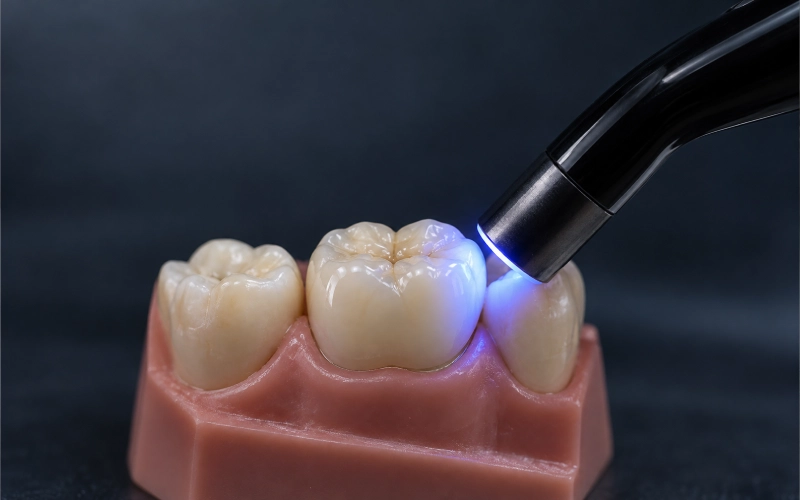
Zirconia Implant Crown — Screw-Retained & Cement-Retained Restorations From an In-House Full-Service Dental Lab
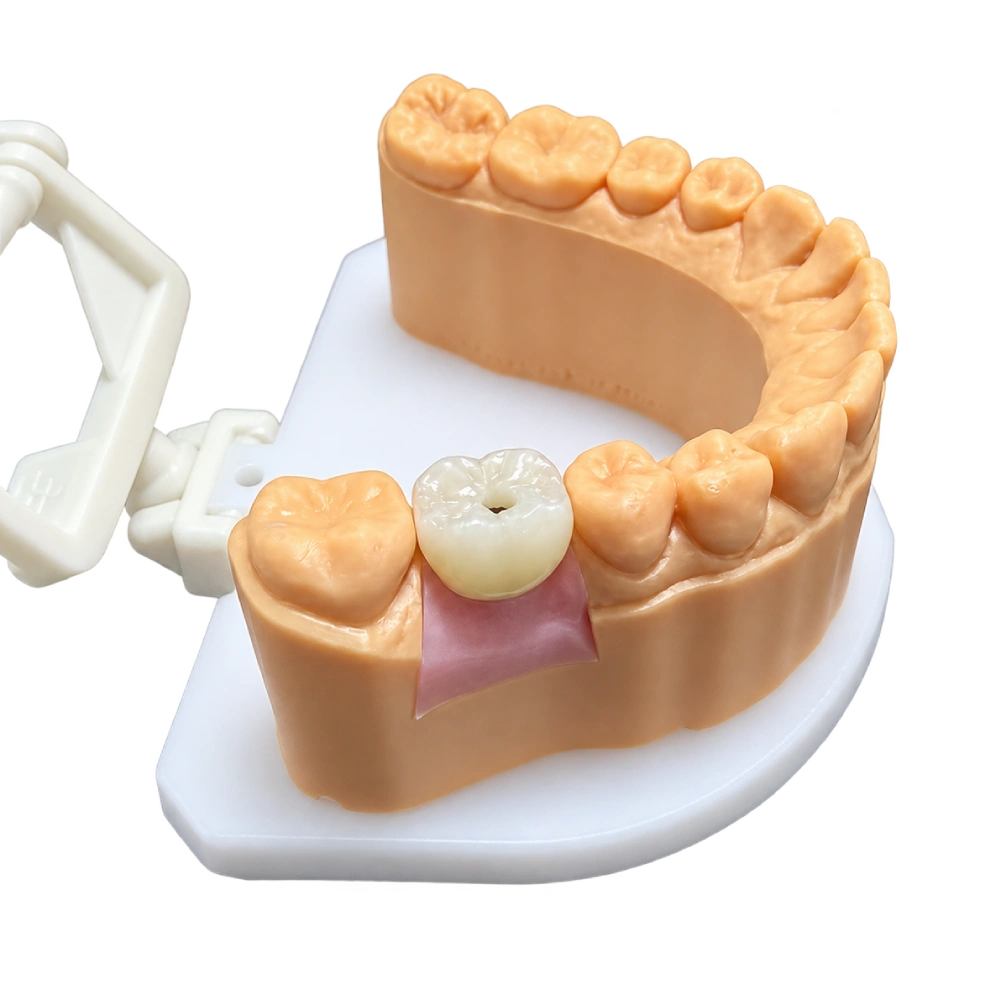
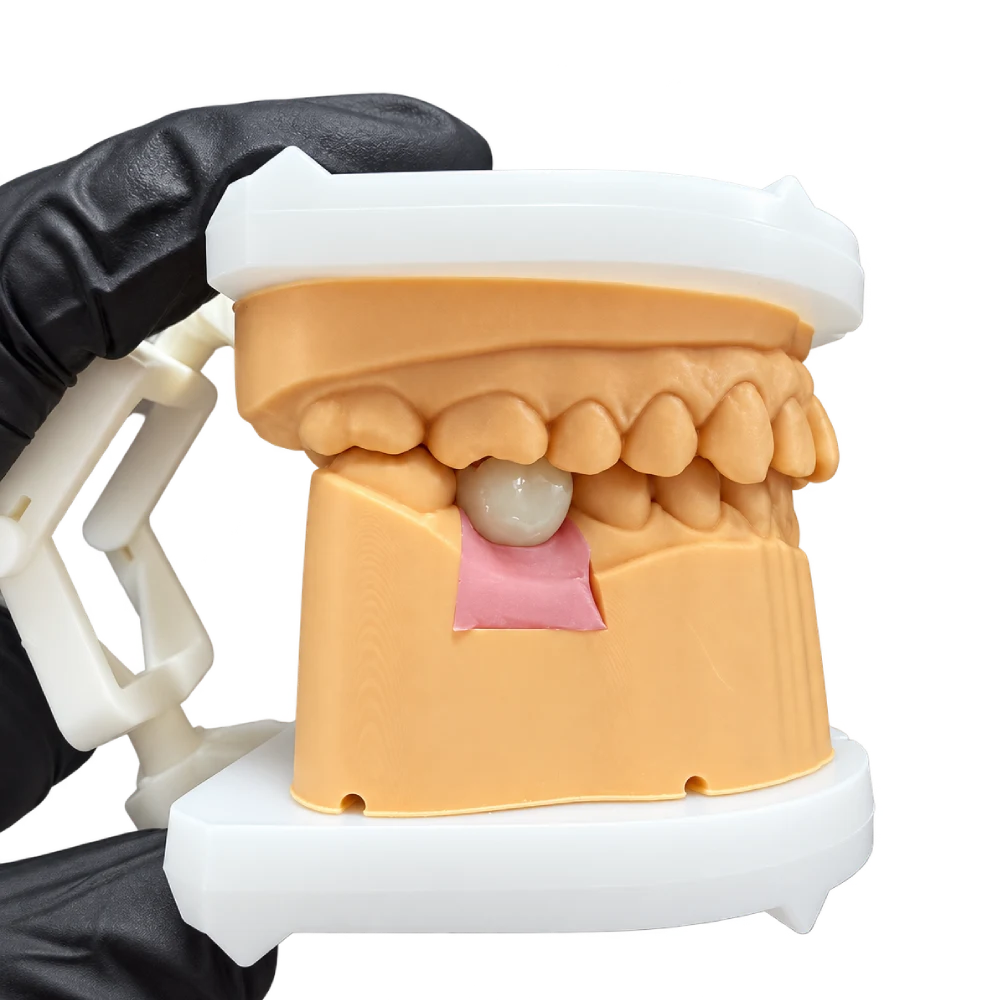
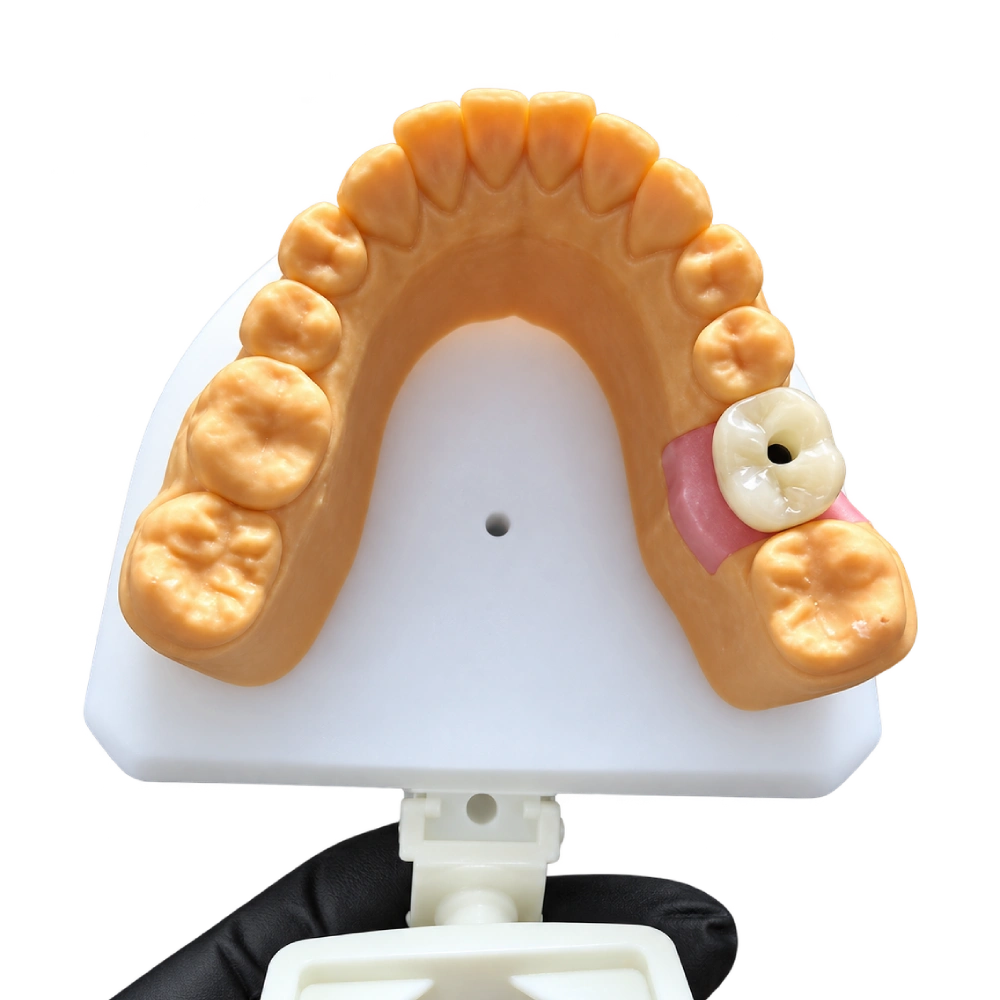
Send us the scan. Get a case-ready zirconia implant crown back — designed, milled, sintered, finished and QC’d under one roof.
We’re a full-service dental lab founded in 2012, with in-house manufacturing in Shenzhen and Huizhou, China. Around 460 technicians and staff handle every step of a zirconia case, from case intake to shipment — nothing is passed to a third-party lab. If you’re sourcing a zirconia implant crown or a dental implant zirconia crown you can seat with confidence, this page walks through what we make, how we make it, and how we work with you.
Zirconia Implant Crown Types
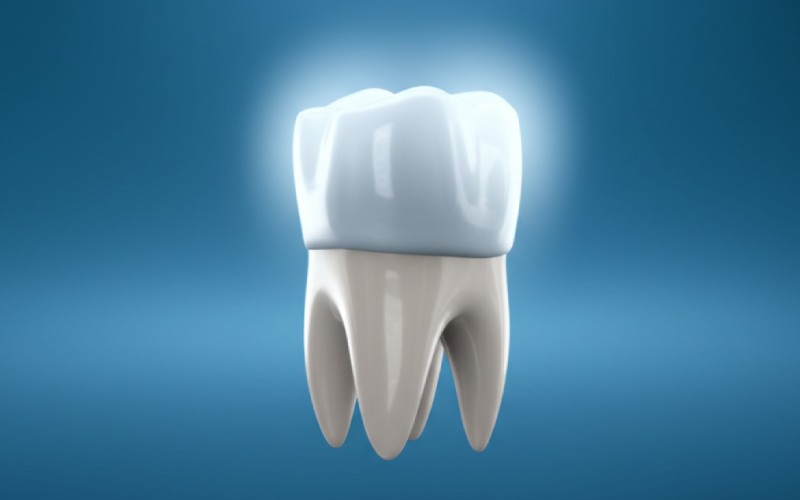
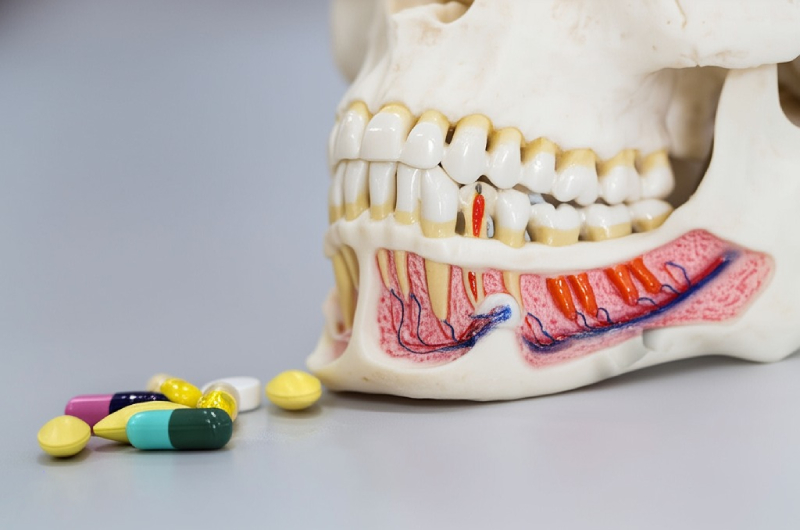
We build zirconia implant crowns as a prosthetic restoration that seats on either a stock or a custom abutment. The crown is one part of a four-piece system — fixture → abutment → crown → final restoration — and we’re the lab side of that chain. We do not sell implant fixtures.
Screw-Retained Zirconia Implant Crown
- Monolithic zirconia with an occlusal screw access channel, sealed with composite.
- Bonded to a titanium base (Ti-base) using MDP-containing resin cement, following the primer + air-abrasion protocol supported by the peer-reviewed record (see the comprehensive review on zirconia bond strength enhancement).
- Preferred where you want a retrievable restoration, or where inter-occlusal space is tight and cement clean-up would be risky. The rationale for that preference is summarised in the ITI consensus statement on screw- vs cement-retained reconstructions.
Cement-Retained Zirconia Implant Crown
- Full-contour or cut-back zirconia bonded on a straight or angled abutment.
- We design the margin at or slightly above the tissue to keep excess cement from tracking sub-gingivally — the peri-implant risk documented in the Wilson study on excess cement and peri-implant disease.
- Delivered with a verification jig or seating aid on request for cases with limited access.
Anterior & Posterior Options
| Position | Zirconia we recommend | Why |
| Posterior single unit (bruxer, screw-retained) | 3Y-TZP monolithic | Highest flexural strength; hides screw channel with cut-back and stain-glaze |
| Posterior single unit (aesthetic zone edge) | 4Y | Balanced strength + translucency |
| Anterior single unit (visible smile line) | 5Y multilayer or layered cut-back | Higher translucency and gradient shade; strength placed away from incisal edge |
| Implant-supported bridge, small span | 3Y or 4Y monolithic with anatomical connectors | Connector strength is the design driver — see the design notes in How We Design below |
Terminology note. On this page, “zirconia implant crown” means the crown restoration that seats on a dental implant abutment. It is not the same as a “zirconia implant” (the fixture itself). We fabricate the crown; the fixture is placed and owned by the clinician.
[Request a Zirconia Implant Crown Quote →]
Why Choose a Zirconia Implant Crown From Us
There’s a lot of noise around zirconia. Here’s what actually matters when you’re deciding where to send the case.
1. Every step is done in-house — no case is outsourced
For a single zirconia implant crown, our workflow runs through nine steps under one roof:
- Case data receiving and evaluation
- CAD digital design
- 3D model printing
- CAM milling
- Zirconia processing (sintering)
- Porcelain layering and glazing (when layered/cut-back is selected)
- Polishing and finishing
- Quality inspection
- Packaging and shipment
That’s the same block of work whether it goes to a solo dentist, a group practice, or a partner dental lab. No hidden hand-offs.
2. Grade-matched zirconia — 3Y, 4Y, 5Y — not one block for everything
Yttria content changes what the material can do. More yttrium means more cubic phase, which means higher translucency but lower flexural strength. Same material family, very different behaviour by grade.
- 3Y-TZP (~3 mol% Y₂O₃) — highest strength, most opaque. Where the case needs load-bearing (posterior, bruxism, thin connectors).
- 4Y-PSZ (~4 mol%) — middle ground.
- 5Y-PSZ (~5 mol%) — highest translucency, lowest strength. Anterior aesthetic zone, single units only.
That grading is not marketing — it’s baked into the layered discs used across the industry, and the strength gradient by layer has been measured directly in the peer-reviewed record (Flexural Strength and Clinical Classification of Different Layers of Multilayer Zirconia). We match the grade to the case at design review, not at order intake.
3. Ti-base bonding follows the peer-reviewed protocol
Zirconia cannot be etched with hydrofluoric acid the way glass ceramics can. Bond strength comes from air-abrasion (50 μm Al₂O₃) + MDP-containing primer, then a resin cement — the protocol validated in the systematic review on zirconia bond enhancement. We document the primer/cement lot on request so you can trace the case back to the chemistry.
4. Design decisions are laid out in writing — not left to the technician
Every case gets a design brief: minimum occlusal thickness, connector cross-section (for bridges), screw access location, margin location, cement space, and contact tightness. You approve or edit before we mill. This is where most re-makes get avoided.
5. Regulatory scope, stated plainly
- We’re a dental laboratory. We fabricate custom restorations by prescription from a licensed clinician.
- The zirconia we mill sits under 21 CFR Part 872 — see 21 CFR 872.3630 for endosseous dental implant abutments. Ti-bases and stock abutments carry product code NHA; zirconia restorative material carries product code EIH.
- We do not place implants, we do not sell direct-to-consumer, and we do not make medical claims. Prescription and case ownership stay with the clinician.
6. Global track record
We’ve worked with 50+ dental laboratories, 100+ clinics and 400+ dentists across the United States, Netherlands, Germany, France, Belgium, Austria, United Kingdom, Luxembourg, Switzerland and other European markets. That mix matters — feedback from lab-to-lab work is different from feedback from chairside, and we’ve been shaped by both.
Our Zirconia Implant Crown Manufacturing Process
This is the same nine-step sequence run for every zirconia implant crown case. Nothing runs in parallel with a subcontractor; every stage happens inside our own building.
Step 1 · Case Intake & Evaluation
- We accept intraoral scans (STL/PLY), physical impressions, or pre-designed STL from a partner lab.
- Files go through a review pass — scan quality, prep margin visibility, scan body identification, opposing arch, occlusal record. If anything is missing, we email you the specific issue before the case moves.
- You get a written case plan back within 24 hours covering grade selection, retention type, occlusal thickness, and any red flags.
Step 2 · CAD Digital Design
- ~100 CAD designers on staff, working on exocad / 3Shape / DentalCAD depending on the case.
- Screw access position, emergence profile, tissue contour, and contact anatomy are set here.
- Design preview is sent back for your sign-off before milling.
Step 3 · 3D Model Printing
- Working model and Ti-base analog seat printed in-house.
- The model is what we check the crown fit against before it leaves the bench.
Step 4 · CAM Milling
- ~70 milling operators, dry mills for zirconia and separate wet mills for glass ceramics — no cross-contamination.
- Nesting is done per disc/puck; each restoration is tagged to its material lot.
Step 5 · Zirconia Processing (Sintering)
- Sintered per the disc manufacturer’s own firing curve — no shortcuts on ramp rate or hold time.
- Sintering shrinkage is compensated at CAM based on the puck’s lot-specific factor.
Step 6 · Porcelain Layering & Glazing (when required)
- ~70 ceramic & metal technicians for layered and cut-back work.
- For monolithic crowns, this step becomes stain + glaze only — the crown is polished first (see the head-to-head data in the CAD/CAM polishing vs glazing study).
Step 7 · Polishing & Finishing
- Every occlusal contact area is polished before glaze — a rough zirconia surface is what wears the opposing dentition, not zirconia itself when finished properly.
Step 8 · Quality Inspection
- ~25 QC staff run every unit through fit check on the printed model, margin check under magnification, contact/occlusion check, shade verification, and screw-channel patency for screw-retained cases.
- Cases with fit issues loop back — they do not get shipped and re-made after complaint.
Step 9 · Packaging & Shipment
- Each case ships with a case card noting material, grade, lot, sintering batch, and technician sign-off.
Production capacity for zirconia:
- Single crowns — around 8,000 units/month (normal season), up to 15,000 units/month in peak season.
- Bridges — around 2,000 cases/month (normal), up to 3,000 cases/month in peak.
- Backup pool of ~50 trained technicians keeps delivery steady when order volume spikes.
How We Design a Zirconia Implant Crown — The Rules We Won’t Break
These aren’t preferences. They’re the rules we apply before milling. If a case can’t meet them, we tell you and offer an alternative.
| Parameter | Rule | Why |
| Minimum occlusal thickness (monolithic 3Y-TZP) | ≥ 1.0 mm | Below that, fracture load drops sharply — see Occlusal & Axial Thickness on Fracture Load |
| Minimum wall thickness (monolithic 3Y) | ≥ 0.5 mm | |
| Connector cross-section (posterior bridge) | ≥ 9 mm² | Chipping starts at the connector when there isn’t enough section |
| Screw channel exit | Central fossa or palatal/lingual — never on functional cusp | Retrievability with intact contacts |
| Cement margin (cement-retained) | At or slightly supra-gingival | Reduces sub-gingival cement risk |
| Ti-base bonding | 50 μm Al₂O₃ air-abrasion + MDP primer + dual-polymerising resin cement | Documented in the peer-reviewed record |
| Shade | Match on wet dentine + shade tab or scan; provide neck / body / incisal photos | Zirconia shade is set at pre-sinter and cannot be swapped after |
The strength numbers you see on marketing sheets don’t always match what the material actually delivers once processed. Published test data on 3 mol% and 5 mol% zirconia shows the real gap — see layer-by-layer strength classification. We design to the real values, with a safety margin, not to spec-sheet peaks.
For test method reference, the flexural strength framework we work under is ISO 6872 — Dentistry, Ceramic Materials. The implant material framework is ISO 13356, and dynamic loading testing sits under ISO 14801.
Cooperation Flow — How to Work With Us
Six steps. No forms to fill in twice.
1. First contact & scope
Send us a message with your case type (single, bridge, All-on-X), volume estimate, and one or two example scans. We reply within one business day with a project scope, price band and a written turnaround estimate.
2. Test case
Most partners start with one test case — a single zirconia implant crown — before scaling. We recommend it. It lets us learn your preferences (contact tightness, occlusion, shade calibration) without pressure.
3. Case submission
- Send scans / impressions / STL through your preferred channel (portal, cloud share, email).
- Each case gets a case ID and enters our queue with your named coordinator.
4. Design approval
- Design preview back within 24 hours for standard cases.
- You edit or approve. We hold milling until you sign off.
5. Manufacturing & QC
- Case moves through the nine-step in-house workflow.
- Standard turnaround for a single zirconia implant crown: 5–7 working days in lab, plus shipping. Rush window available on request.
6. Delivery & feedback
- Case ships with a case card (material, grade, lot, sinter batch, technician).
- If the seating isn’t right, contact your coordinator — we discuss cause first, then re-make. We do not charge for re-makes caused by a design or manufacturing issue on our side.
Factory visit / video audit
Any of the above steps can be walked through in person or on video. Partners regularly arrange:
- On-site factory visits at our Shenzhen or Huizhou facility.
- Production line tours.
- Live video audits of the CAD desk, milling floor, sintering, or QC bench.
Cases — Recent Zirconia Implant Crown Work
Sample cases below are anonymised — case owner permissions on request. Photos and STL comparisons available through your account coordinator.
Case 1 · Upper first molar, screw-retained monolithic 3Y-TZP
- Site: #14 (upper left first molar)
- Retention: screw-retained on Ti-base
- Grade: 3Y-TZP monolithic
- Design note: occlusal thickness 1.4 mm, screw access in central fossa, connector n/a (single unit)
- Turnaround: 6 working days
Case 2 · Anterior aesthetic, cement-retained 5Y multilayer
- Site: #8, #9 (upper central incisors)
- Retention: cement-retained on custom zirconia abutment (Ti-base + zirconia mesostructure)
- Grade: 5Y multilayer, incisal 1/3 in high-translucency layer
- Design note: margin 0.5 mm supra-gingival, cut-back with feldspathic layering on labial
- Turnaround: 8 working days
Case 3 · Posterior bridge, screw-retained monolithic 3Y
- Site: #19–21 (implants at #19 and #21, pontic at #20)
- Retention: screw-retained on two Ti-bases
- Grade: 3Y-TZP monolithic
- Design note: connector cross-section 12 mm², occlusal thickness 1.5 mm at central fossa, screw access at central fossa on #19 and #21
- Turnaround: 9 working days
Case 4 · Immediate provisional followed by definitive zirconia crown
- Site: #30
- Retention: definitive screw-retained on Ti-base
- Grade: 3Y-TZP monolithic
- Design note: contour designed to match the mature soft-tissue emergence captured from the provisional scan
- Turnaround: 7 working days for definitive
FAQ — Zirconia Implant Crown
What’s the difference between a zirconia implant crown and a dental implant zirconia crown?
Same restoration — different phrasing. A dental implant zirconia crown and a zirconia implant crown both describe a zirconia crown that seats on top of a dental implant abutment. Neither term refers to the implant fixture itself. If you’re sourcing the crown, you’re on the right page.
3Y, 4Y or 5Y — which grade should I ask for?
1. Posterior, functional load, screw-retained: 3Y-TZP.
2. Aesthetic zone anterior single units: 5Y multilayer or a cut-back with layering.
3. In between: 4Y.
We can pick it for you if you send the case with photos and opposing dentition.
Can zirconia crowns chip?
Yes — most commonly at the porcelain layer if the case is layered, or at connectors on bridges where cross-section is too thin. Monolithic 3Y designed to our minimum thickness rules rarely fractures in single-unit posterior cases. The 5-year RCT on zirconia-based single-implant reconstructions reports the survival data at year five.
Do you use titanium bases?
Yes. Ti-base + zirconia mesostructure is our default for screw-retained cases. The rationale is summarised in the Ti-base literature review.
Screw-retained or cement-retained?
If there’s enough vertical space for a screw channel exit that lands in a non-functional area, we default to screw-retained. It’s retrievable and there’s no sub-gingival cement to worry about. Cement-retained is a good option when angulation makes screw access impossible. Full comparison in the ITI consensus statement.
What’s your turnaround?
1. Single zirconia implant crown: 5–7 working days in lab.
2. Implant-supported bridge (up to 3 units): 7–10 working days.
3. Add shipping (varies by destination).
Rush cases are possible — talk to your coordinator.
Do you accept impressions, or scans only?
Both. STL is preferred, but conventional PVS impressions with scan bodies pinned to the model are fine — we digitise them in-house.
What if the crown doesn’t seat?
Contact your coordinator with a photo or short video. If the cause is a design or manufacturing issue on our side, we re-make at no charge. If the scan or seating is a factor, we work through the fix together.
Ready to Send a Zirconia Implant Crown Case?
- Request a quote — send us one case or a batch to price.
- Send a test case — one dental implant zirconia crown to check the workflow before you scale.
- Book a video audit — walk our floor with your coordinator, see the material, ask the technician anything.
Send a Test Case → · Book a Video Audit →
ASD Dental Lab — Shenzhen · Huizhou. Full-service, in-house manufacturing since 2012. Serving 400+ dentists, 100+ clinics and 50+ partner labs across the US and Europe.
Experience faster turnaround times with our cutting-edge technology
Recommended