Temporary Dental Crowns & Bridges
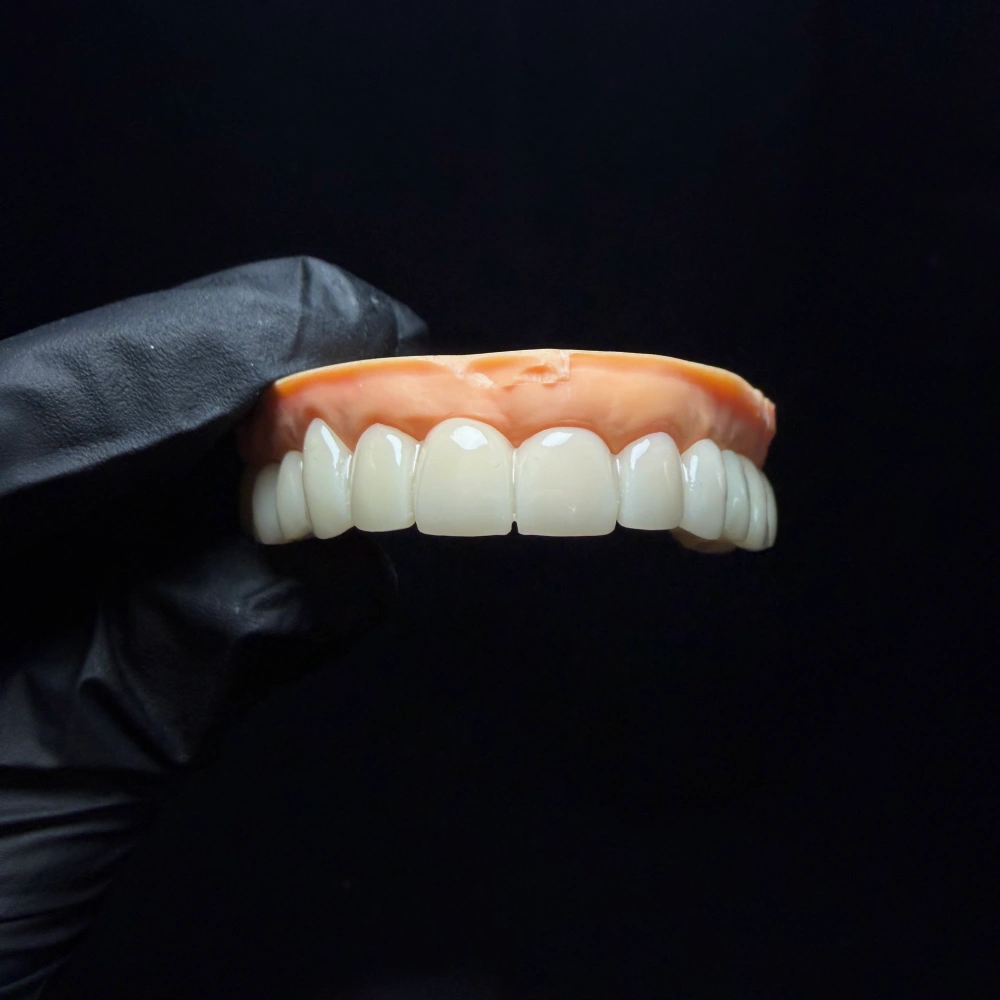
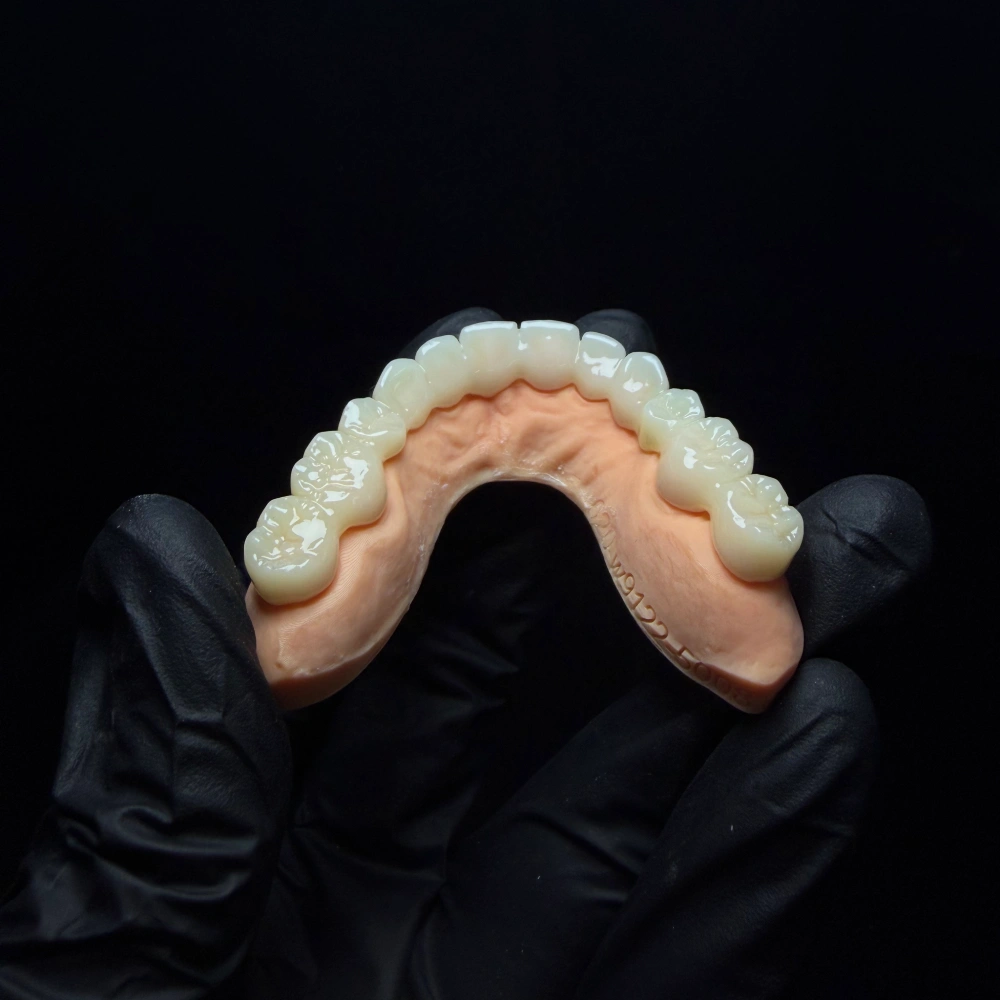
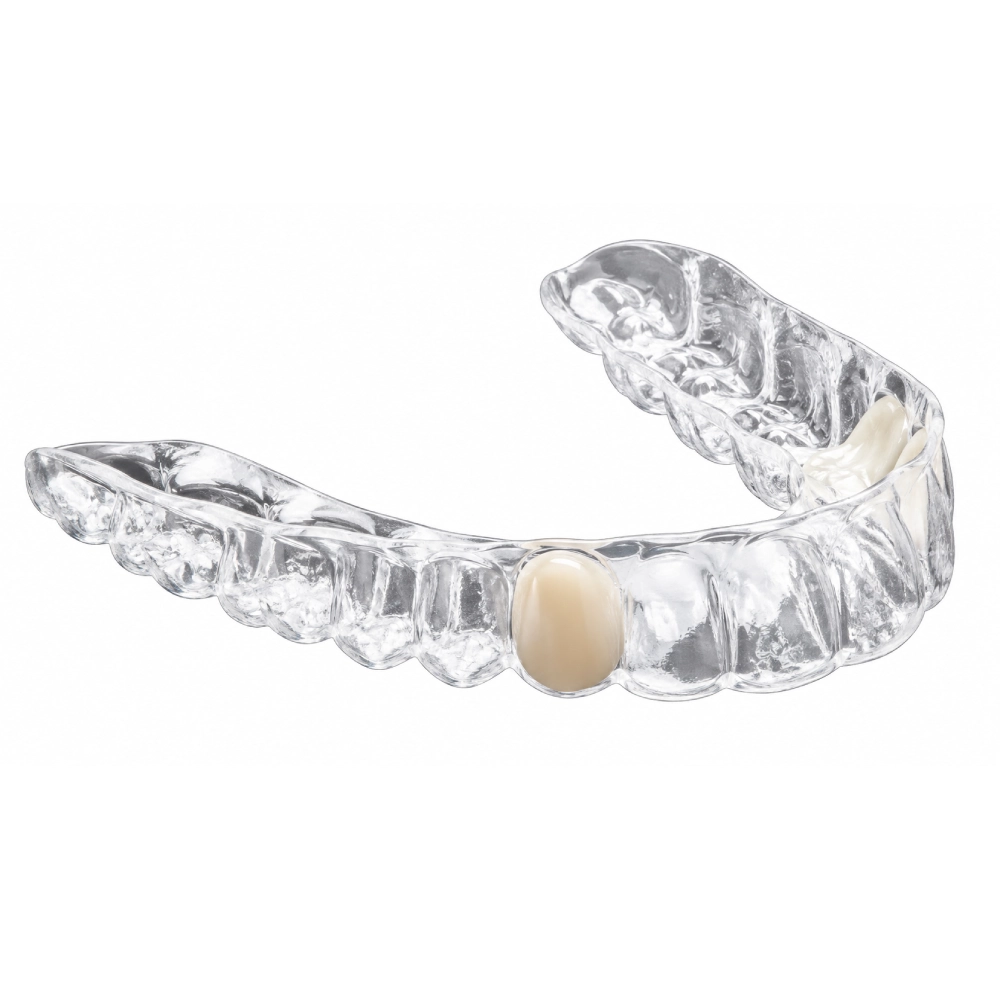
Every temporary dental crowns and temporary bridge dental we deliver buys time for a patient’s smile — from diagnosis to final restoration. At ASD Dental Lab, our Temporary Crown & Bridge service goes beyond a stopgap: it is the tool that lets you preview, test, and refine the final outcome — protecting the prepared tooth, stabilizing occlusion, and shaping soft-tissue contours so each case lands with higher confidence.
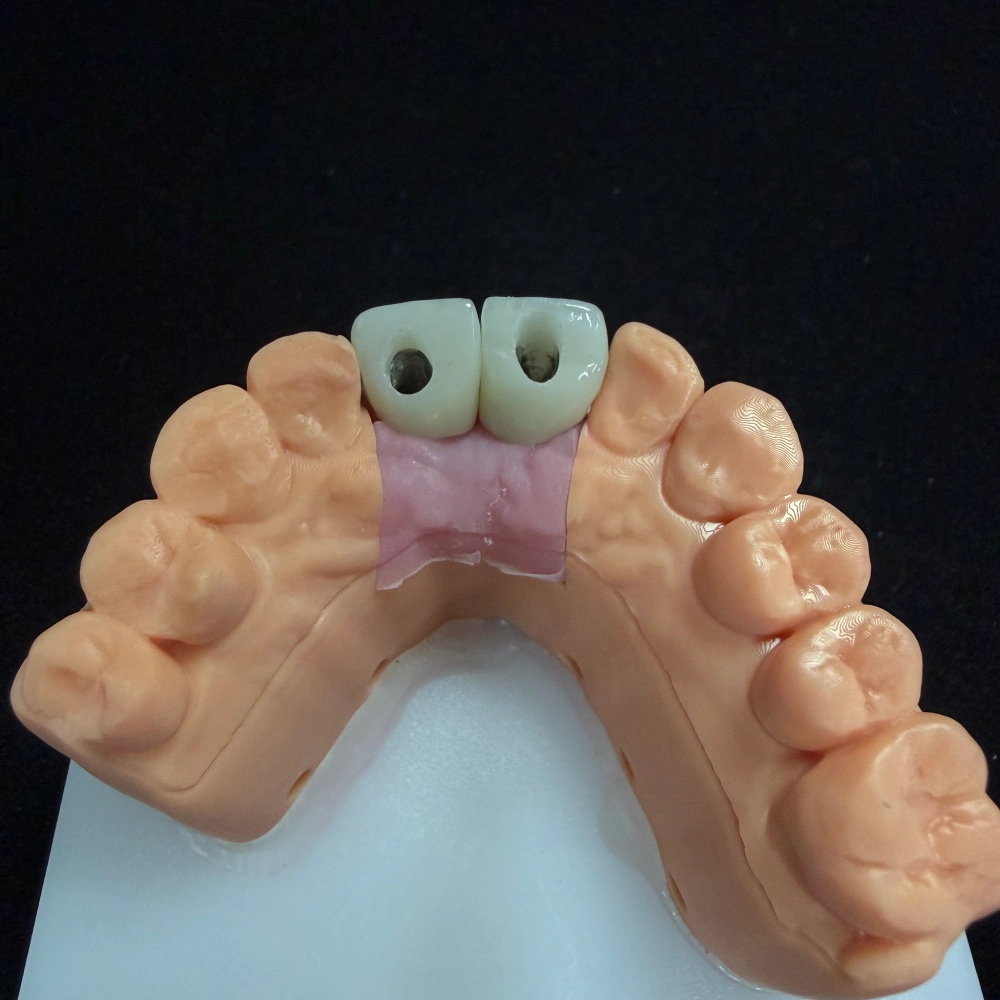
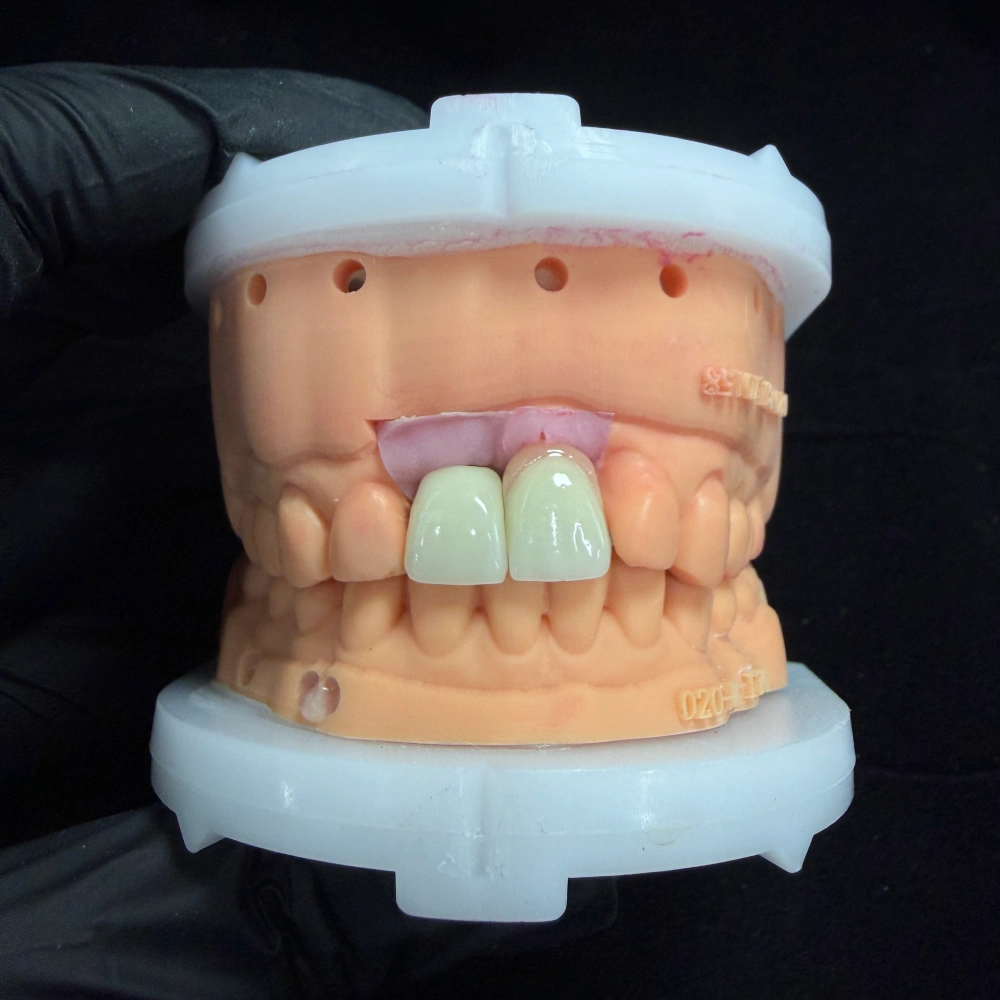


Key Features of Temporary Crowns for Teeth & Bridges
Materials for Temporary Dental Crowns & Bridges: Strength and Esthetics
We work with two temporary restorative materials — PMMA (polymethyl methacrylate) and composite resin. PMMA offers moderate strength and easy handling; composite resin delivers more natural-looking esthetics. A well-designed temporary crown or bridge serves the short-term protective need while leaving a clear path to the final restoration — once soft tissue matures, the ideal contour can be transferred to the definitive prosthesis via an impression-transfer technique.
For immediate-load protocols, we fabricate temporary bridges quickly after implant placement so patients leave surgery with a functional occlusion and a natural appearance. Our material suppliers include iCreativ (Upcera) and Ivoclar Vivadent, and every material is covered under our FDA listings — all custom dental restorations, including temporaries, are registered and product-listed.
Turnaround: 2–4 working days for the try-in phase
Standard fixed crown-and-bridge production runs 2–3 days; the temporary (PMMA) try-in phase is typically completed within 2–4 working days. If you would like a design-approval step or a diagnostic wax-up / mock-up before we move into temporaries, add 1–2 days — in return, you get a previewable, adjustable treatment blueprint.
Digital cases (intraoral STL scans) move faster than physical-impression cases: by skipping cross-border model shipping and customs clearance, the overall turnaround shortens. Every temporary crown and bridge passes internal QC before shipment — margin fit, occlusal contacts, contour, polish, and the absence of cracks or porosity are all checked.
Why Choose ASD Temporary Crown & Bridge
Full in-house capability: 9 steps, no outsourcing
Founded in 2012, ASD Dental Lab operates twin facilities in Shenzhen and Huizhou with around 460 staff — CAD ~100, milling ~70, implant ~80, porcelain-fused ~70, removables ~55, QC ~25, admin ~10, sales ~10, and CS & case coordination ~40, plus roughly 50 reserve staff. We are a direct manufacturing factory, not a trading company or middleman.
Our zirconia crown-and-bridge production is built on nine in-house steps strung together: intake → CAD design → 3D printing → CAM milling → zirconia sintering → porcelain layering / glazing → polishing → QC → packing and shipping — all done on-site, no subcontracting, no outsourcing. Temporary restorations follow the same digital path, with the CAD stage replicating the morphology of an existing crown, a temporary, or the contralateral tooth (using the mirror / copy function) to preserve symmetry or a patient-accepted contour.
Trusted by 50+ labs, 100+ clinics, 400+ dentists
We have supplied custom restorations to more than 50 dental labs, 100+ clinics, and 400+ dentists across the United States, the Netherlands, Germany, France, Belgium, Austria, the United Kingdom, Luxembourg, and Switzerland. We welcome on-site factory visits and video audits — the production floor and quality controls are open for inspection.
Each client is paired with a dedicated case manager plus a customer-service team. CS works 9:30–18:00 (China time) and extends to 24:00 for emergencies. We set up a WhatsApp group for every client — design confirmations, scan questions, and try-in feedback can be sent and discussed in real time, with screenshots or STL preview files.
Temporary Crown & Bridge Fabrication Workflow
Digital workflow: from intraoral scan to finished piece
All major intraoral scanners are supported: 3Shape TRIOS, Medit, iTero, CEREC (Sirona), Shining3D Aoralscan, Planmeca, and any system that can export standard open meshes. We accept STL, PLY (with color), and OBJ, and can also receive orders directly through 3Shape Communicate, Medit Link, and other platforms.
What you need to submit for a temporary crown-and-bridge case:
- Digital cases: send the intraoral scan (preparation, opposing arch, accurate bite registration) to us by email or a data-transfer platform.
- Physical-impression cases: physical impressions (VPS or polyether preferred) and a bite wax; we can provide a shipping label, or you may ship on your own and share the tracking number.
If you want to share sketches, photos of an existing prosthesis, a diagnostic wax-up, or an existing temporary, we welcome them — the technician will scan or import the reference in CAD software and use the mirror / copy function to apply its morphology to the new restoration.
CAD design and try-in approval
After we receive the data or impression, typically within 1 working day we validate the scan and respond: checking that preparation margins are crisp, free of blur or drag, scan holes, or stitching errors. If a margin is hidden by soft tissue (the most common issue), the preparation is missing, or the opposing-arch scan is incomplete, we take photos and recommend a re-scan.
Once the CAD technician finishes the design per your prescription, we can send you a design preview, screenshots, or an STL file for approval. If you opt for a diagnostic wax-up or mock-up first, we provide a 3D-printed model or a trial temporary for try-in validation; once approved, we move into milling or printing the final temporary. This design-approval step adds 1–2 days, but it avoids late-stage rework — critical in esthetically complex cases, long-span bridges, or where occlusal space is limited.
Quality control: microscopy, scan comparison, digital measurement
We use microscopy, scan comparison, or digital measurement for QC. Pre-shipment checks cover: margin fit, internal-surface quality, seating and passive fit, proximal contacts, centric / protrusive / lateral occlusion, contour and esthetics, polish, cracks or porosity, and (for implant cases) screw-channel access and interface. Every step is checked against the confirmed prescription and design file, so what arrives matches what you approved.
Every case has a dedicated ID — the floor only refers to case numbers in conversation, never patient details. We are happy to sign an NDA with you, and the order-entry staff who handle your data also sign one. Original patient records, scan data, and the materials you provide remain yours; we hold processing rights only for the duration of the case.
How to Order Temporary Crowns & Bridges
1. New-client trial order
Digital cases: send the scan files directly to our email or data-transfer platform.
Impression cases: we can provide a shipping label, or you may ship to our address (Shenzhen lab) and share the tracking number.
We accept single trial orders but not long-term single-piece workflows — international shipping costs make a one-off-at-a-time model unsustainable. We recommend that small clinics send one consolidated parcel per week to spread the shipping cost across multiple cases. We also serve DSOs and group practices and can support batch scheduling.
2. Intake and validation
On arrival we confirm receipt and case count, then cross-check. Digital cases move into the CAD design department; physical-impression cases go through the plaster room (pouring and trimming), then onto the same production line. Within 1 working day, we typically complete the scan-or-impression QC and report any issues with photos.
If the prescription and the scan data conflict, we automatically pause the case and reach out to confirm. Which issues always require the doctor’s input? Poor impression quality, bite errors in the scan data, a tooth position that does not match the prescription, design confirmation needed, occlusal space too tight (preparation adjustment needed), or severe undercuts (preparation adjustment needed) — all of these require a clinical decision. The technician can do minor flash trimming or die-base adjustments per standard, but will not change clinically critical parameters unilaterally.
3. Design → production → QC → shipping
The temporary (PMMA) try-in phase typically runs 2–4 working days. If you want a diagnostic wax-up or mock-up first before moving into temporaries, add 1–2 days for design approval. Digital cases run shorter than physical-impression cases overall (no cross-border model shipping).
If delays arise from technical questions, rescans, or a re-impression, we treat them as rush cases and minimize the impact on your treatment plan.
Finished pieces are packed in clear bubble-wrap or foam-padded boxes to protect the temporary from impact in transit. All restorations are cleaned and disinfected before they ship back to the clinic, ready for chairside try-in.
Temporary Dental Crowns & Bridges FAQs
A single-unit temporary from a clean digital scan runs 2–4 working days end-to-end. A 6-unit anterior bridge doesn’t add days to the temporary itself (it’s still one milled / printed piece), but if you want a diagnostic wax-up or a try-in mock-up before we move into temporaries, budget an extra 1–2 days for design approval — it saves chairside rework later. Physical-impression cases add roughly 1 working day for pour-and-trim on our end, plus the cross-border shipping time on yours.
Yes — we treat rush cases as a separate lane and prioritize them inside the QC queue. Once the case enters production, a rush single-unit temporary can be ready to ship within 24–48 hours. For US clinics, the limiting factor after that is carrier transit (DHL 3–5 business days); for EU clinics, 2–4 business days. Tell us the patient travel date up front and we’ll work backward from it.
We don’t queue them. Each case gets its own CAD seat, its own milling / printing slot, and its own QC pass — we don’t batch through a single technician. A dedicated case manager runs point on the whole batch, consolidates shipping, and groups questions into a single daily update so your operations team isn’t fielding 20 separate emails. Many of our DSO clients send one consolidated weekly parcel; we can also stagger deliveries per location if your offices have different case volumes.
Yes. Once the CAD technician finishes the design per your prescription, we send screenshots or an STL preview for approval before any material is touched. Minor revisions (contact tightness, occlusal clearance, minor contour) are included at no extra cost and typically don’t add a day. Major revisions that change the prescription (material, span length, abutment design) get re-quoted. We don’t start milling until you’ve signed off on the preview.
Yes — and for esthetically demanding cases (anterior shade-matching, long-span bridges, limited occlusal space) we usually recommend it. We can 3D-print a trial temporary or a diagnostic model for try-in validation; once you approve the morphology in the mouth, we move into milling or printing the actual temporary. Adds 1–2 days but eliminates late-stage rework that costs more in chair time.
We pause and ask. If the prescription says one shade and the scan shows the prep is too thin for that material, or the bite record contradicts the opposing-arch scan, we send photos and a written explanation in the WhatsApp group and wait for your call. The technician can do minor flash trimming or die-base adjustments per standard, but won’t change clinically critical parameters (material, margin position, occlusal scheme) without your written confirmation.
Our temporary materials are PMMA (polymethyl methacrylate) for the strength-first option and composite resin for the esthetic option. Brand-level suppliers include iCreativ (Upcera) and Ivoclar Vivadent for PMMA blocks / discs; for zirconia and other ceramics we also stock Wieland, Zenostar, 3M LAVA, and Shofu. Material data sheets and lot numbers are available on request — just ask your case manager and we’ll send the relevant TDS / SDS plus the lot number on the actual material used for your case.
Yes. All custom dental restorations we ship to the US — crowns, fixed bridges, inlays / onlays, veneers, custom implant abutments, implant suprastructure frameworks, full / partial dentures, and temporaries — are covered under our FDA establishment registration and product listing. We can provide the registration number and the relevant product code on request; many clinic compliance teams file it against their supplier qualification records.
We remake at no charge when the issue traces to our design or fabrication (margin pulled, contact over-contoured, occlusion high against confirmed bite record). If the issue traces to a chair-side variable we couldn’t see (supra-erupted opposing tooth we weren’t told about, undercut we weren’t warned about), we still remake, but flag it as a clinical-source adjustment so we can both tighten the intake checklist for next time. Remake turnaround matches the original rush lane — single-unit rush can ship within 24–48 hours once we agree on the cause.
We keep CAD files and case records for the duration defined in our data-retention policy, which we extend if you ask us to in writing. If the original prep and occlusion haven’t changed, we can re-mill the same temporary from the stored design without a new scan. If the patient has had any restorative or orthodontic work in the interim, we ask for an updated scan before re-ordering — temporary fit is too sensitive to a drifted bite to risk on stale data.