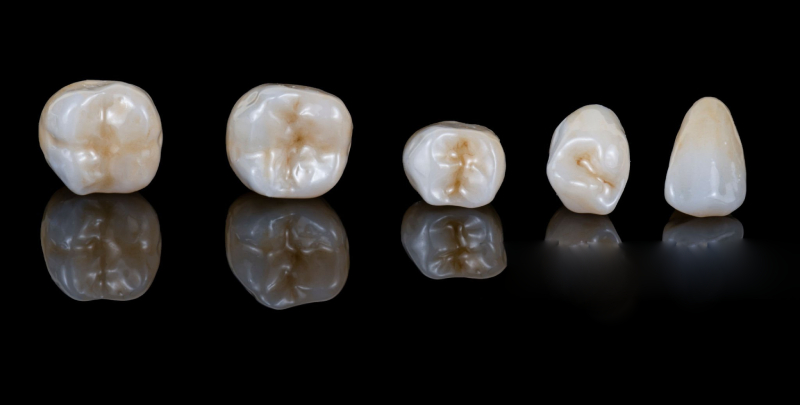
Valplast Single Tooth Denture – Case Study


🕢 [ Remplissez le formulaire et nous vous répondrons dans les 30 minutes ! ]
About This Lab
We’re a digital dental laboratory specializing in removable prosthetics and flexible dentures. Every Valplast single-tooth partial we fabricate follows a standardized scan-to-delivery workflow: digital impression validation → retention design → casting & hand-finishing → multi-point QC inspection → final delivery.
1. What Is a Valplast Single Tooth Denture?
A Valplast single tooth denture is a minimal removable partial designed to replace one missing tooth using a flexible nylon resin framework. Unlike traditional metal-clasp partials, it relies on thin flexible arms that embrace adjacent teeth for retention—eliminating visible metal and delivering a more aesthetic interim or permanent solution.
Core characteristics :
- Matériau: Biocompatible thermoplastic nylon resin—thin, lightweight, and tissue-kind
- Retention mechanism: Flexible clasps wrap the interproximal undercuts of abutment teeth; no metal hardware required
- Indication: Single-tooth edentulous spans, especially anterior cases where esthetics matter or patients cannot tolerate metal
- Regulatory status: FDA-cleared and CE-marked for intraoral use; classified as a removable dental prosthesis
- Longévité: Clinical studies report median service life of 5–7 years with proper care, though failure modes (fracture, discoloration) accelerate under heavy occlusal load
2. Patient Profile & Doctor’s Requirements
Typical Case Characteristics
| Field | Description |
| Chief complaint | Single missing tooth (anterior or premolar); patient seeking metal-free, aesthetic restoration |
| Clinical contraindications | Heavy bruxism, uncontrolled periodontal disease, insufficient abutment undercut (<0.25 mm), or allergy to nylon resin (rare) |
| Patient expectations | Natural translucency, comfortable fit, no visible clasps, removable for cleaning |
| Occlusal assessment | Light to moderate function; heavy centric or lateral forces require clasp reinforcement or alternative retention |
What Prescribers Ask For
Doctors typically specify:
- Shade matching: VITA shade guide reference or digital scan color map
- Gingival margin adaptation: High-polished finish extending 2–3 mm subgingivally for optimal esthetics
- Retention design: Clasp engagement depth (we recommend 0.01″–0.015″ undercut for single-tooth cases to balance retention and removal ease
- Occlusal clearance verification: Minimum 1.5 mm in centric and excursive movements
- Delivery timeline: Rush cases available
Common modifications rejected:
- Relining or rebasing Valplast after delivery is technically difficult and rarely successful; case remakes are more reliable
- Permanent luting of flexible partials is contraindicated—these are designed as removable appliances
3. Lab Workflow & Turnaround
Standard Process
| Stade | Actions | Quality Gates |
| 1. Scan acceptance | STL validation: completeness, margin clarity, occlusal registration accuracy. Rejected scans returned within 4 hours | ✓ No voids >0.2 mm✓ Interproximal undercuts captured✓ Antagonist anatomy present |
| 2. Design | Digital wax-up of tooth replacement, clasp path of insertion analysis, gingival contour sculpting | ✓ Retention arms engage 240°–270° of abutment circumference✓ Tissue-contact area polished to 600-grit equivalent |
| 3. Casting & finishing | Injection-molded nylon, hand-trimmed clasps, margin refinement, shade verification against prescription | ✓ Flash removed✓ No surface porosity✓ Clasp flexibility tested |
| 4. Final QC | Occlusal contact verification on mounted casts, insertion/removal simulation, visual inspection under task lighting | ✓ Seats fully without binding✓ No blanching of abutment gingiva✓ Shade matches within ±1 VITA tab |
Retournement
- Standard removable denture cases: 2–3 business days from scan acceptance
- Single-tooth Valplast partials: Same 2–3 day window when scans meet acceptance criteria
- Rush service: +1 business day if expedited finishing is requested at order placement
- Remakes due to lab error: No charge; 1–2 business days
Delivery method: FedEx 2-Day (domestic) or DHL Express (international); tracking provided at shipment
4. Warranty & Remake Policy
What’s Covered
We guarantee workmanship and material integrity under normal use. Remakes gratuits are provided for the following, if reported within 90 days of delivery:
| Defect Category | Covered | Not Covered |
| Casting flaws | Porosity, incomplete polymerization, material voids | Normal wear, discoloration from staining agents |
| Retention failure | Clasp fracture at fabrication stress points, premature arm fatigue (if no patient misuse documented) | Clasp distortion from patient bending/adjusting, loss of retention due to abutment tooth loss or mobility |
| Shade mismatch | >2 VITA tabs from prescription when verified against original scan metadata | Shade changes due to age, diet, or patient’s own teeth changing color post-delivery |
| Fit discrepancy | Does not seat on verification model derived from original scan | Changes in patient anatomy (bone resorption, soft tissue shrinkage, new restorations placed by dentist) |
Exclusions
Remakes are pas covered if:
- The prescriber or patient modified the appliance (trimming, bending, chemical alterations)
- Fracture occurred under documented bruxism or trauma
- The case is returned after 90 days from delivery date
- Original scan files or case records are unavailable for verification
Relining/rebasing Valplast: Technically challenging and not routinely offered; full remake is the recommended remedy when retention or fit degrades.
5. Case Workflow: How We Met the Requirements
⟨Case to be populated⟩
| Field | This Case |
| Patient age / sex | ⟨ ⟩ |
| Missing tooth | ⟨e.g., #7 (maxillary left lateral incisor)⟩ |
| Abutment teeth | ⟨e.g., #6, #8⟩ |
| Prescription notes | ⟨Shade, special requests⟩ |
| Scan platform | ⟨e.g., 3Shape TRIOS, Medit i700⟩ |
| Scan acceptance result | ⟨Pass / Reject / Corrective resubmission needed⟩ |
| Retention design | ⟨Clasp configuration: mesial/distal arm engagement degrees⟩ |
| Material batch | ⟨Valplast lot number⟩ |
| Fabrication date | ⟨YYYY-MM-DD⟩ |
| QC inspector | ⟨Technician ID⟩ |
| Shipped date | ⟨YYYY-MM-DD⟩ |
| Prescriber feedback | ⟨Chairside adjustments needed? Esthetic outcome? Patient acceptance?⟩ |
What We Did Differently
In every single-tooth Valplast case we deliver, our approach addresses the common failure modes documented in the literature:
- Clasping design: We calculate retention force digitally—targeting 5–8 N insertion force for anterior cases and 8–12 N for posterior—to prevent both “too loose” (early loss) and “too tight” (patient removal difficulty or abutment trauma). Industry-wide, improper clasp engagement is the #1 cause of early appliance failure.
- Gingival margin esthetics: The junction between the pink acrylic base and natural gingiva is extended 2–3 mm subgingivally and polished to 600-grit, eliminating the telltale “denture line” that compromises anterior esthetics. Many labs stop at the free gingival margin—we don’t.
- Occlusal relief: We intentionally leave 0.05–0.10 mm of occlusal clearance in maximum intercuspation to prevent stress concentration at the clasp arms during function. Valplast flexes under load; without relief, the clasping teeth receive traumatic forces. This is a calculated design choice, not a fit error.
- Material batch traceability: Every case is logged with the Valplast lot number and polymerization parameters, enabling root-cause analysis if a material defect is suspected. We’ve never had a lot-wide recall, but the system exists if needed.
6. Technical References
Références
- [S1] Valplast material properties and biocompatibility overview (manufacturer technical documentation)
- [S2] Thermoplastic nylon resin tissue compatibility in removable prosthetics (clinical study)
- [S6] Comparative analysis of flexible vs. rigid denture base materials (Journal of Prosthetic Dentistry)
- [S7] Cost-effectiveness and patient satisfaction with flexible partial dentures (systematic review); includes lab fee and patient retail pricing data
- [S9] Retention mechanism and clasp design principles for single-tooth flexible partials (Prosthetics technical manual)
- [S11] Clinical indications and contraindications for thermoplastic partials (evidence-based guideline)
- [S14] Optimal undercut engagement for flexible clasps (biomechanical study)
- [S16] Failure modes and longevity of Valplast single-tooth dentures (5-year cohort study)
- [S18] Esthetic outcomes: gingival margin adaptation and translucency (clinical case series)
- [S20] Occlusal forces and material fatigue in flexible frameworks (laboratory analysis)
- [S22] FDA regulatory classification of flexible denture materials (510(k) clearance summary)
7. Quality Assurance: How We Self-Audit
Every case undergoes a three-checkpoint inspection before shipping:
| Checkpoint | Inspector | Pass Criteria |
| 1. Post-casting | Fabrication technician | No flash, no porosity, clasp arms flex without cracking |
| 2. Pre-polish | Finishing technician | Margins smooth, tissue surface contoured, no tool marks in visible zones |
| 3. Final QC | Independent QC technician (not the fabricator) | Seats on verification model, shade verified, occlusal contacts checked, case notes match physical appliance |
Rejection rate: Approximately 2–3% of cases are remade internally before ever reaching the prescriber (our cost, not yours). The most common internal reject is gingival margin over-extension causing blanching on the verification model.
Traceability: Each case receives a unique serial number laser-etched on the tissue surface, linking to our digital record (scan files, design parameters, batch numbers, inspector signatures). Retained for 7 years per regulatory compliance.
8. When Valplast Single Tooth Is the Right Choice—and When It’s Not
Ideal Candidates
- Anterior or premolar edentulous span (single tooth)
- Patient refuses metal clasps or has metal allergy
- Adequate abutment undercut (≥0.25 mm at survey line)
- Light to moderate occlusal function
- Patient understands removable appliance care (nightly removal, non-abrasive cleaning)
Contraindications
- Heavy bruxism or clenching (material fatigue accelerates)
- Insufficient interproximal space for clasp arms (minimum 1 mm clearance needed)
- Active periodontal disease on abutment teeth (mobility >grade 1)
- Immediate post-extraction placement (wait 3–6 months for ridge stabilization)
- Patient expectation of permanent cemented restoration (this is a removable appliance)
9. Getting Started: What We Need from You
To fabricate a Valplast single tooth denture, submit:
- Digital impression files (STL format; intraoral scan preferred; model scan acceptable if capture quality verified)
- Prep arch (full arch with edentulous span and abutment teeth)
- Antagonist arch (full arch)
- Bite registration (in habitual occlusion)
- Prescription form specifying:
- Tooth number(s) to be replaced
- VITA shade (or note “match adjacent”)
- Desired delivery date (standard 2–3 days or rush)
- Any special instructions (clasp modification, occlusal relief, etc.)
- Account information (if new client)
Des délais d'exécution plus courts grâce à notre technologie de pointe

Tendance actuelle