Lower Teeth Veneers: When Preparation Meets Reality
🕢 [ Compila il modulo e ti risponderemo entro 30 minuti! ]
When a patient asks about lower veneers, most dentists pause. The question isn’t whether lower veneers can work—it’s under what conditions they work predictably enough to reduce your remake risk.
At ASD Dental Lab, we’ve supported over 400 dentists across the US and EU with mandibular veneer cases since 2012.
Why Dentists Hesitate
Enamel thickness at the lower incisors averages only 0.343 to 0.792 mm on the labial surface. Standard veneer prep of 0.3–0.5 mm often reaches dentin, especially near the cervical margin where enamel is thinnest.
- Bonding to dentin vs. enamel shifts survival rates from approximately 99% to 94% —a small percentage that translates to 5–10× higher failure risk when scaled across a practice.
- Bruxism compounds the problem. In a 323-veneer cohort, 13 fractures and 29 debondings occurred, with 8 fractures and 22 debondings linked to parafunctional habits. Yet an 8-year prospective study of 364 feldspathic veneers showed that patients with bruxism who consistently wore night guards remained viable candidates.
Case Study: Edge-to-Edge Bite with Anterior Wear
Patient Situation
A 19-year-old patient presented with:
- Deep yellow discoloration (whitening attempts failed)
- Upper anterior teeth showing brittleness and chipping
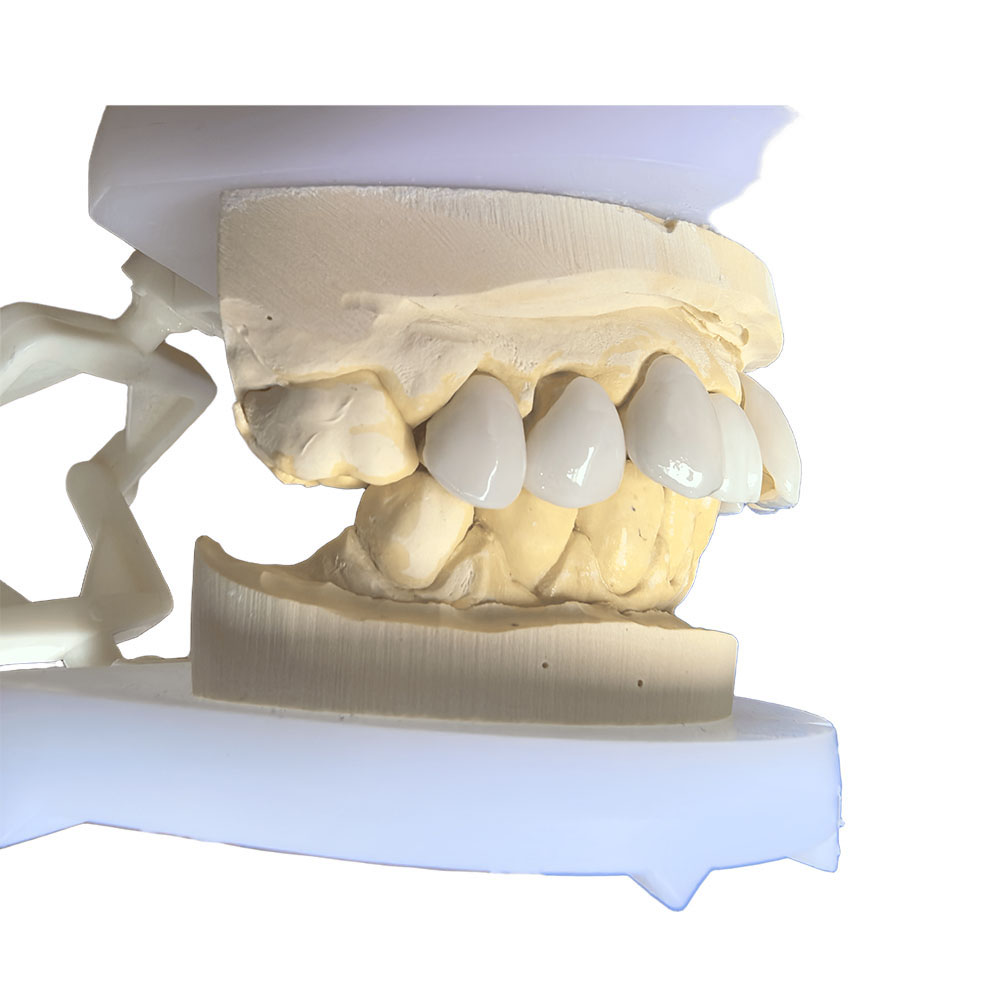
- Edge-to-edge incisal relationship
- Request for aesthetic correction of both arches
Why Lower Veneers?
The treating dentist initially planned 8 upper crowns and no lower work, citing the bite relationship. After consultation, the decision shifted:
- Full crowns would over-reduce already compromised upper teeth
- Composite bonding alone wouldn’t address the structural fragility
- Lower veneers became necessary to reestablish anterior guidance and protect the upper restorations from edge loading
Outcome
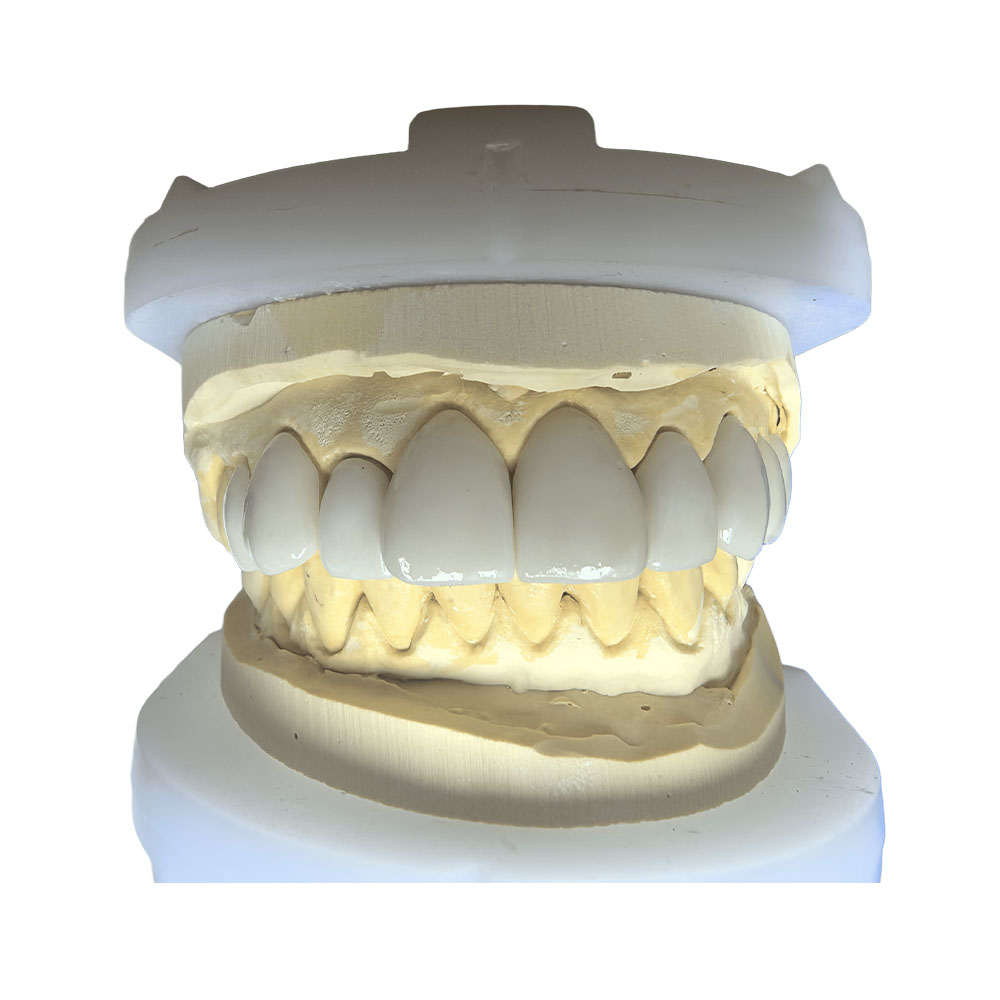
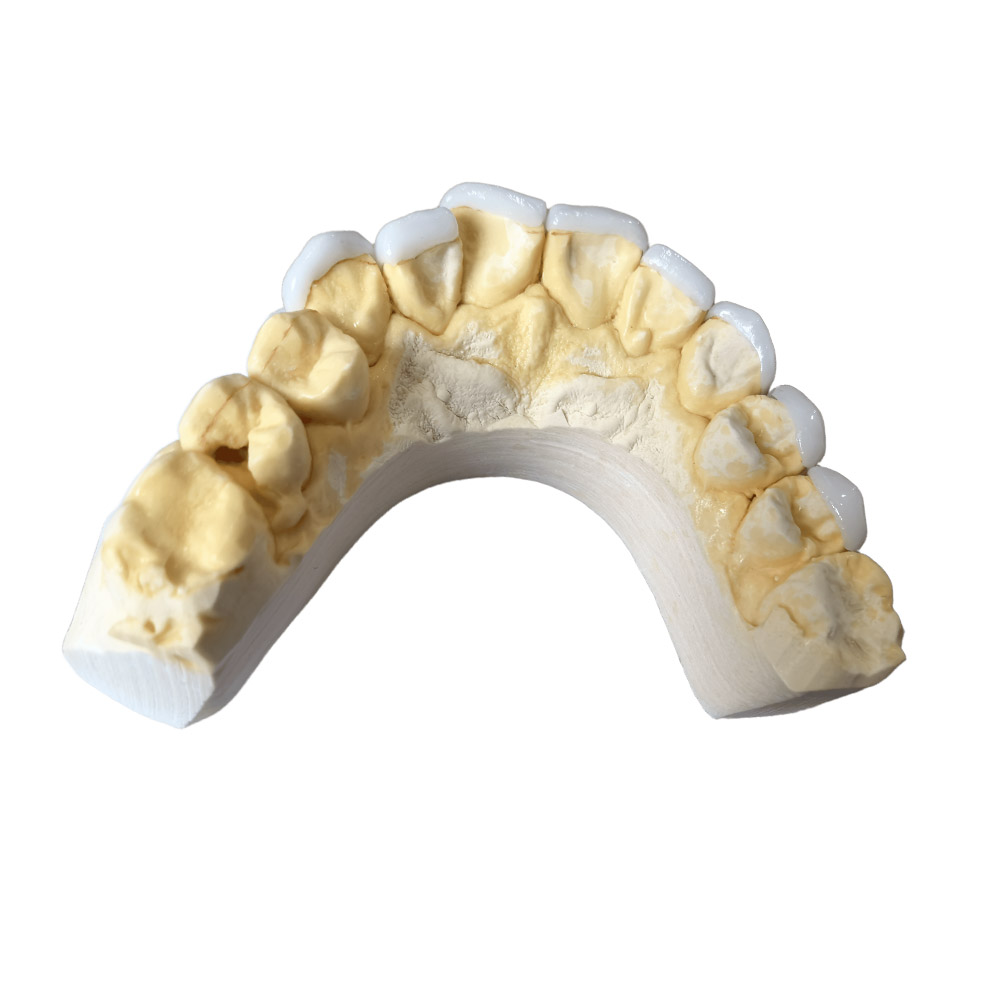
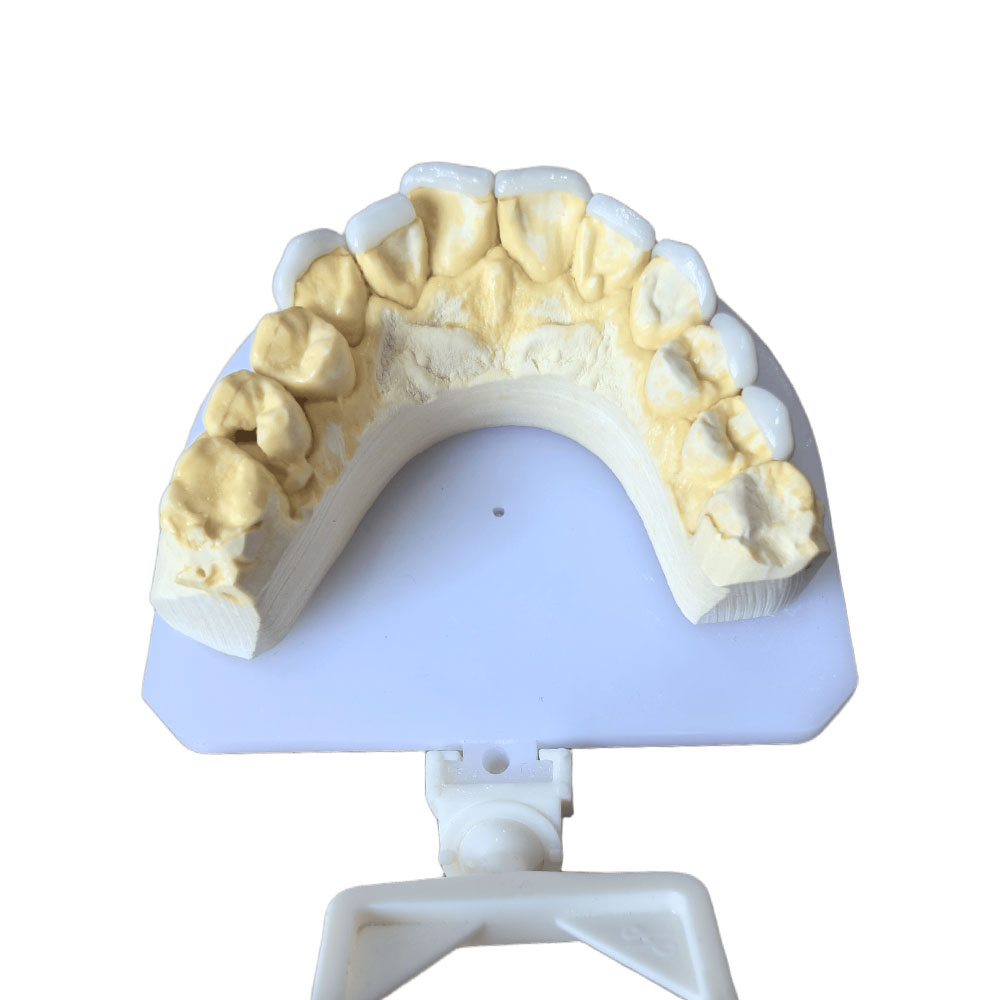
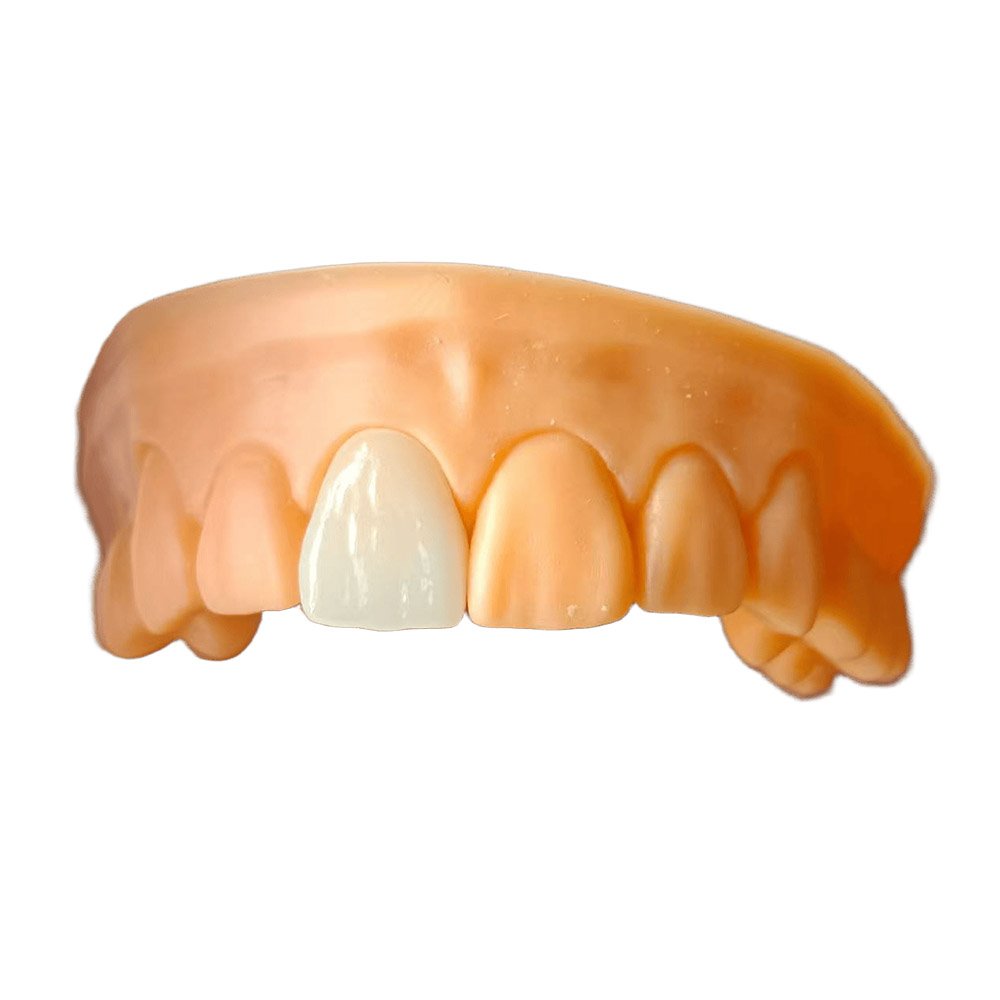
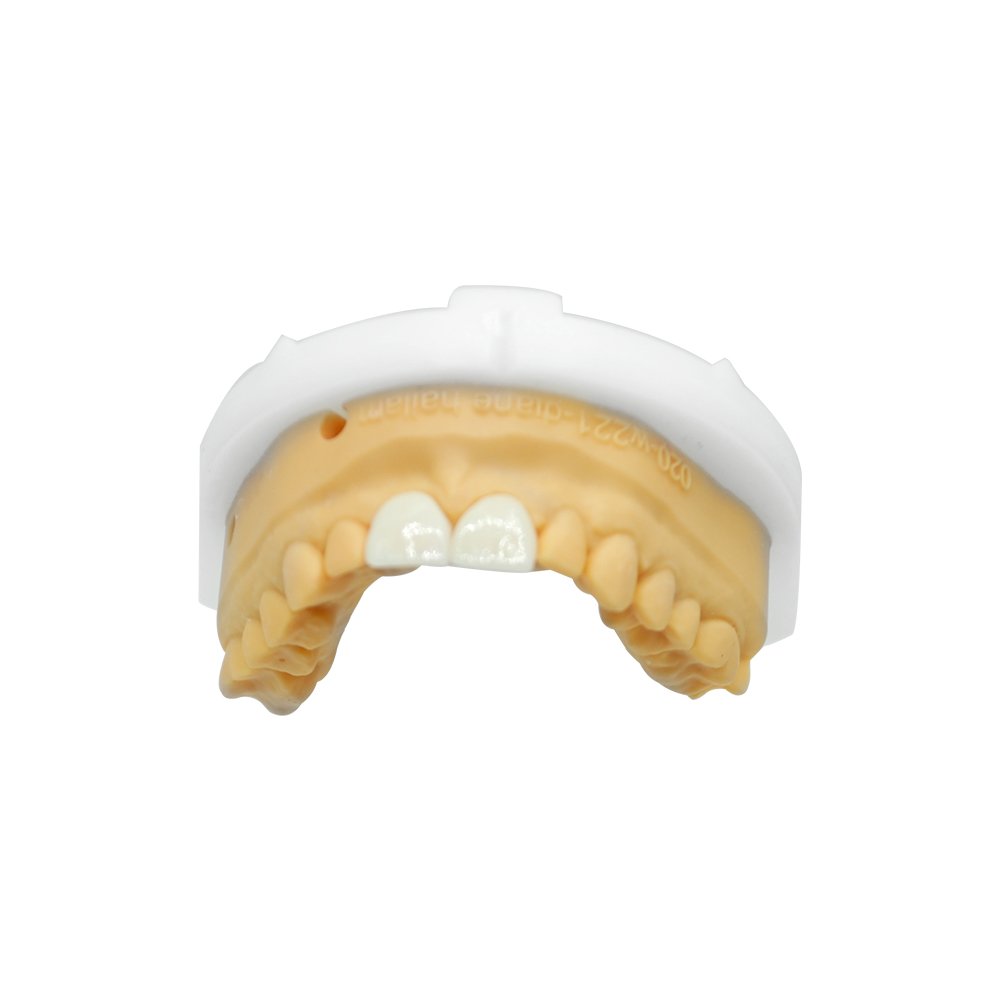
8 lower veneers delivered. The case required two rounds of try-in adjustments (incisal edge position, midline alignment). No remakes at 6-month follow-up. Patient compliance with night guard confirmed by dentist.
What Lower Veneers Can’t Fix (and What Happens When You Try Anyway)
Faccette cannot move teeth, correct skeletal malocclusion, or serve as orthodontic appliances. They mask shape and color—nothing more.
Common referral errors we see:
- Patients with untreated attrition from GERD, medication-induced xerostomia, or occupational acid exposure → veneers will fail until the etiology is managed
- Insufficient interocclusal space (<0.7 mm) → veneer will either be under-contoured (aesthetic failure) or over-contoured (biological failure via cement margin overhang)
- “No-prep” marketed as reversible → while minimally invasive, removal of a bonded veneer still requires surface abrasion and is not automatically reversible
If the case requires tooth movement, vertical dimension increase beyond 2 mm, or full-mouth rehabilitation, refer to ortho or prosthodontics first. Trying to “veneer through” these problems transfers your clinical judgment error onto our production team—and we’ll flag it during case review.
How ASD Handles Mandibular Veneer Cases
1. Case Evaluation (Within 24 Hours of Receiving Data)
Our CAD team reviews:
- Prep depth via digital measurement → if dentin exposure >30% of bonding surface, we request discussion before proceeding
- Occlusal clearance in maximum intercuspation and excursive movements → flag cases with <0.5 mm
- Opposing dentition condition → note any sharp incisal edges or wear facets that will concentrate stress
If a case has structural red flags, you’ll receive a call prima we start design, not after we’ve milled it.
2. Material Selection
For lower anteriors, we default to:
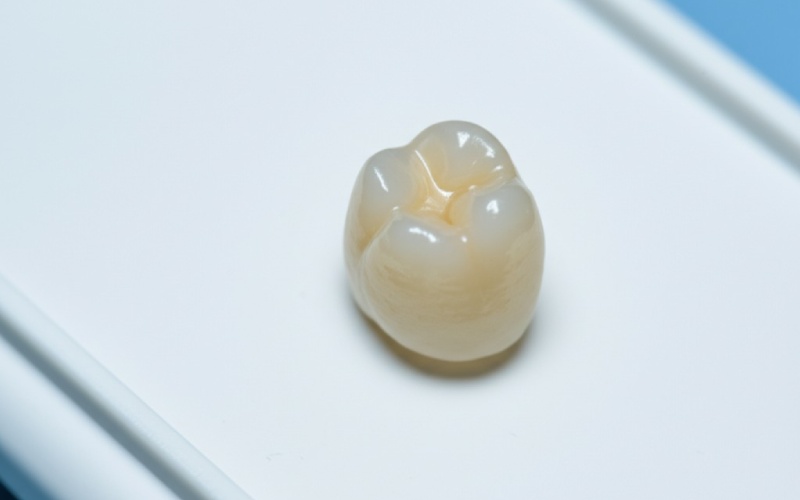
- IPS e.max (lithium disilicate) for cases with adequate prep and good enamel bonding → flexural strength 360–400 MPa, superior aesthetics
- Zirconia (3Y-TZP) only when bruxism is severe and night guard compliance is uncertain → trades aesthetics for fracture resistance
Feldspathic porcelain is available on request but rarely recommended for mandibular cases due to lower strength.
3. Design & Try-In Support
- Digital wax-up provided for case discussion → adjust incisal length, midline, embrasure form before milling
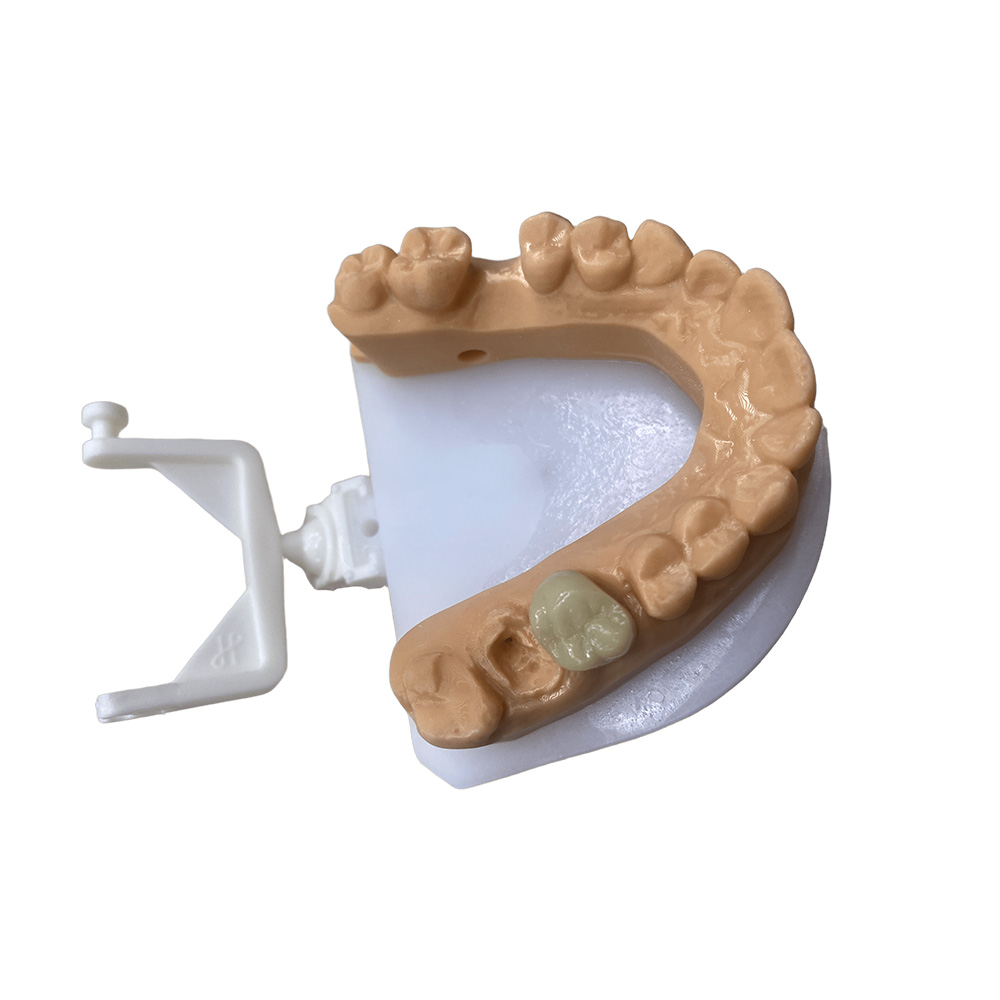
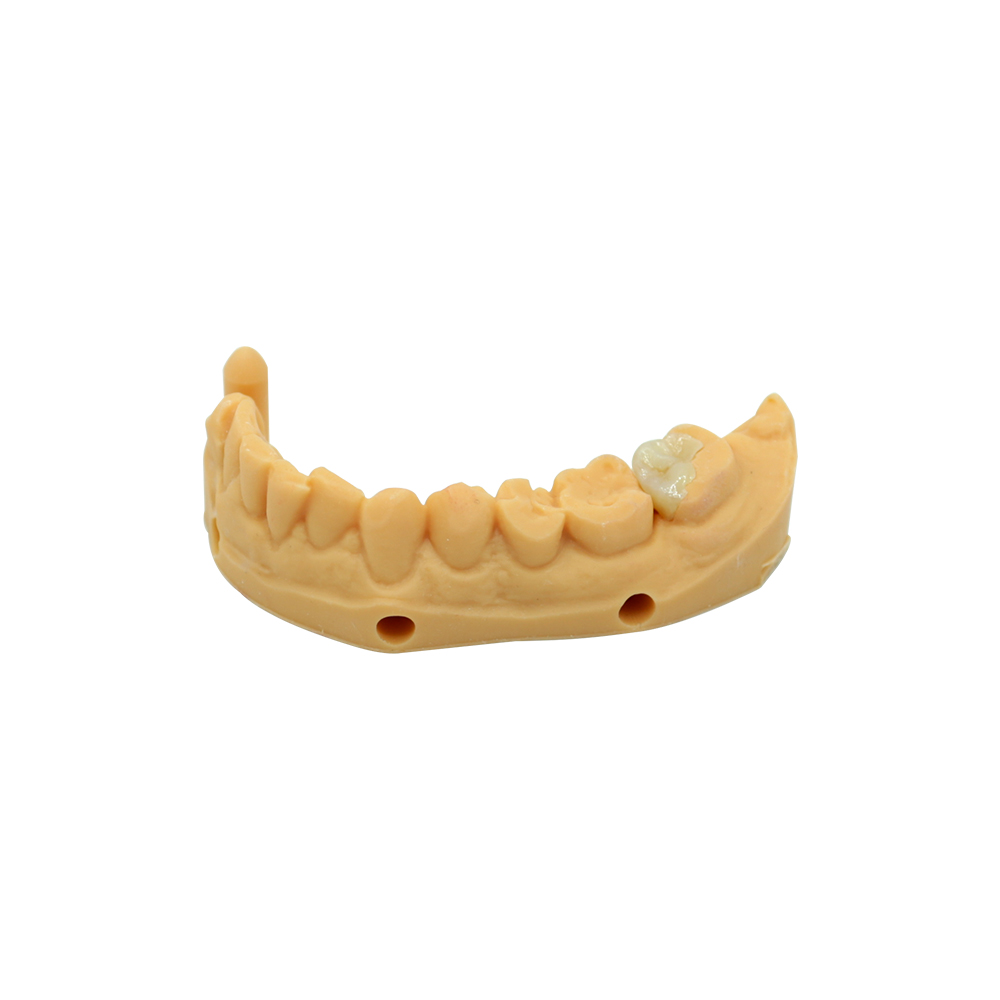
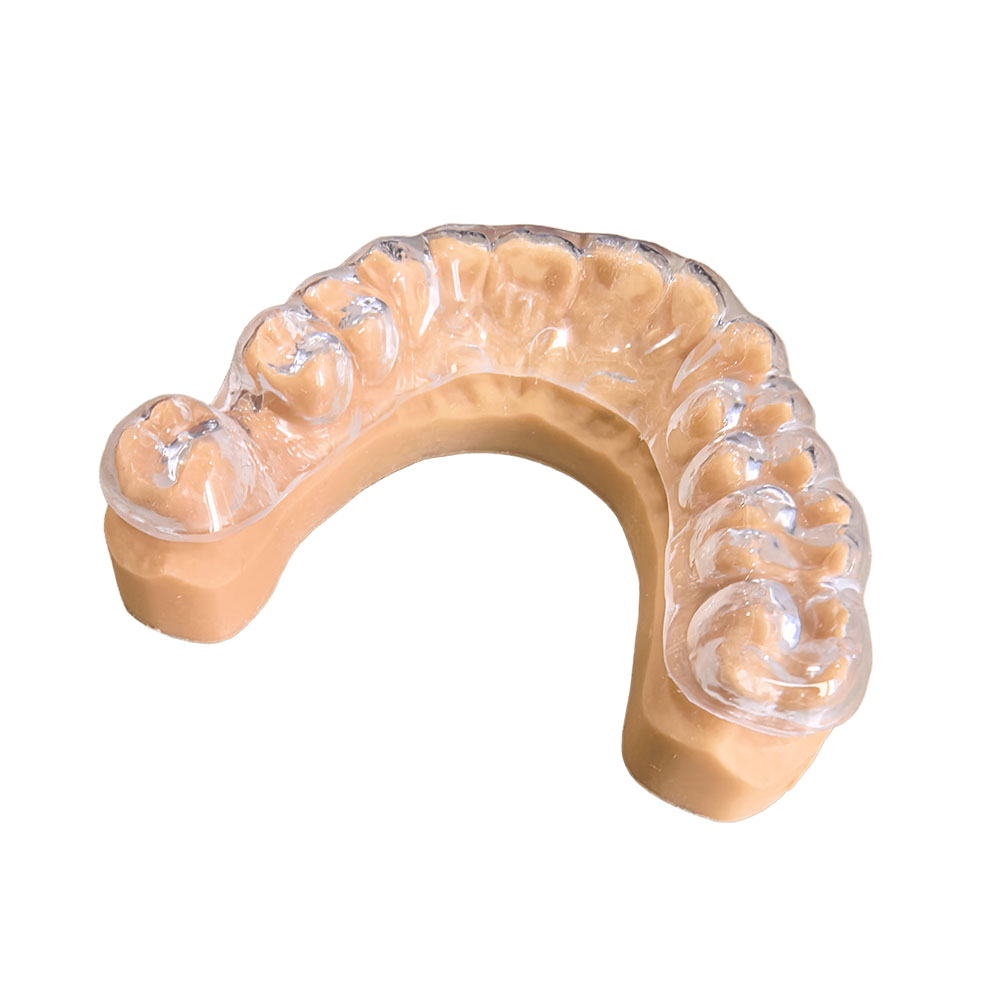
- 3D-printed models available for complex cases (no extra charge for orders >4 units)
- Bisque-bake try-in optional for high-stakes cases (fee applies)
4. Delivery & Post-Placement Protocol
Each case ships with:
- Veneers + silane-coated bonding surface (no additional prep needed)
- Shade verification card
- Cementation guide specifying try-in paste shade, isolation requirements, and cement removal sequence
Remake policy: If a veneer fractures within 90 days due to material defect (not occlusal overload or patient trauma), we replace at no charge. Occlusal adjustment issues flagged during try-in are revised once at no charge.
Why This Matters for Your Practice
Lower veneers sit at the intersection of patient demand, clinical evidence, and remake risk. Saying “yes” to every case leads to failures that hurt your reputation. Saying “no” to every case sends patients to competitors who will say yes—and sometimes get it right.
What separates predictable outcomes from costly remakes:
- Prep design that prioritizes enamel bonding (even if it means thinner veneers)
- Material choice based on occlusal load, not just aesthetics
- A lab that flags problems during case review, not after delivery
At ASD, we’ve built our workflow around #3. Our CAD designers are trained to identify the same red flags you’d catch during a live consultation—and they’ll call you if something doesn’t add up.
Because a phone call before milling is cheaper than a remake after cementation.
Ready to Discuss a Case?
Laboratorio dentale ASD has supported over 400 dentists with mandibular veneer cases since 2012. Our in-house team of 100+ CAD designers and 70+ ceramic technicians handles the full production workflow—from digital design to final glazing—without outsourcing to third-party labs.
Manufacturing facilities: Shenzhen & Huizhou, China Capacity: 8,000+ zirconia crowns/month (15,000 during peak season) Markets served: United States, Netherlands, Germany, France, Belgium, Austria, UK, Switzerland
Next steps:
- Submit your case via our digital portal (STL, IOS, or impression scan accepted)
- Receive case evaluation within 24 hours
- Review digital wax-up before production begins
Questions about a specific case? Email our case coordination team or schedule a factory video tour to see our workflow firsthand.
Sperimentate tempi di consegna più rapidi grazie alla nostra tecnologia all'avanguardia
Consigliato