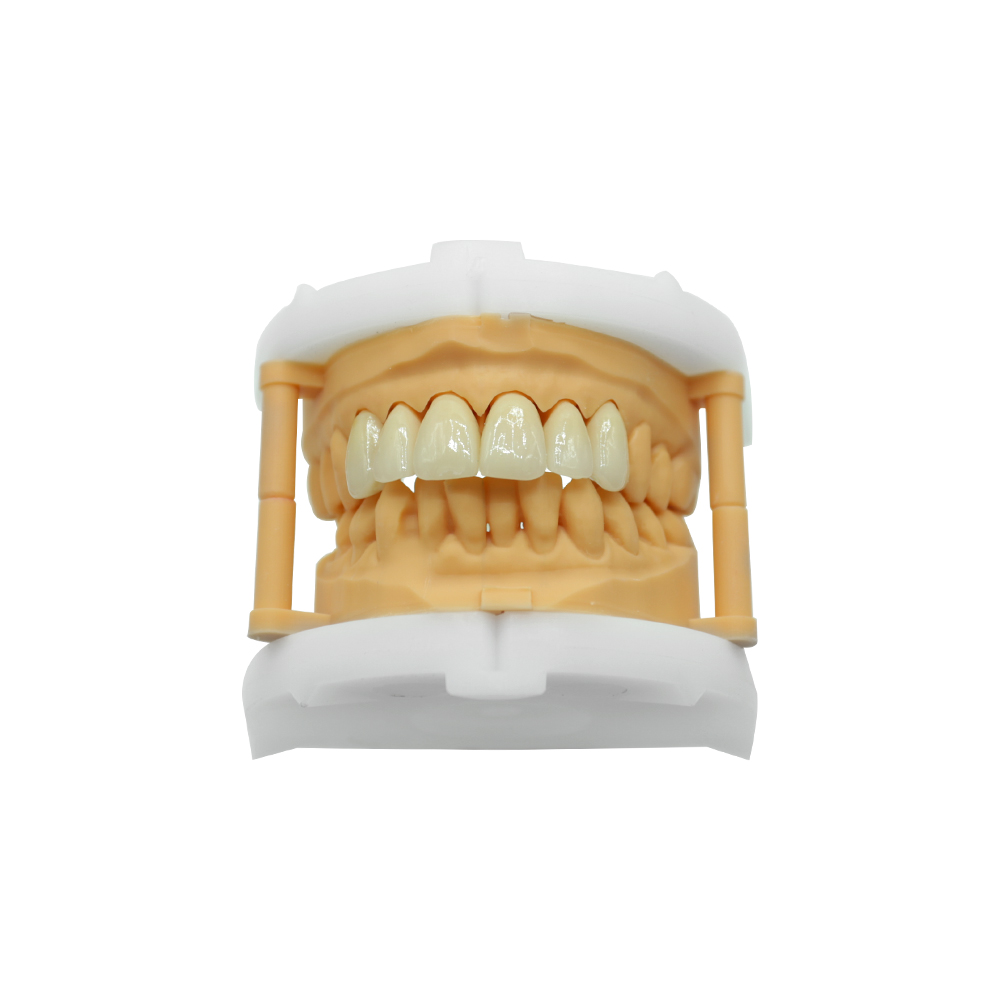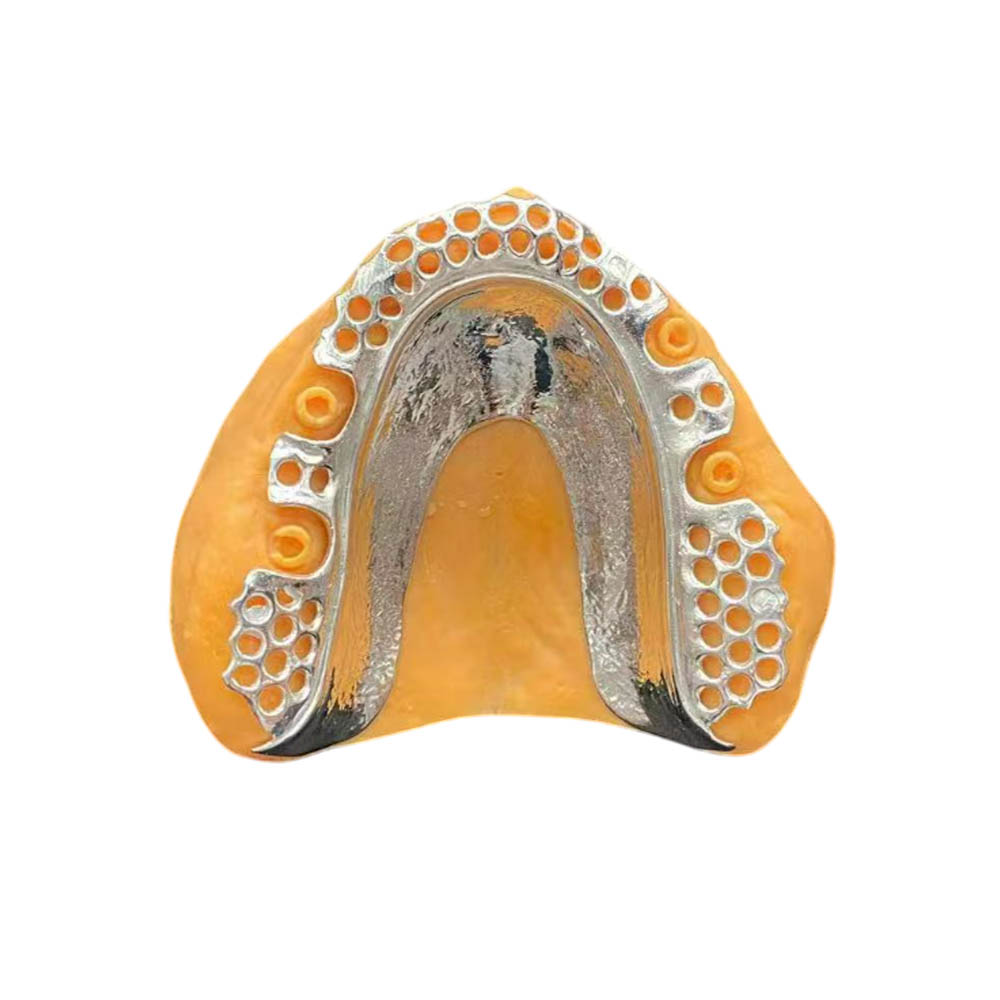
Metal Inlays & Onlays for Posterior Teeth — Lab-Fabricated, Indirect, Custom-Cast
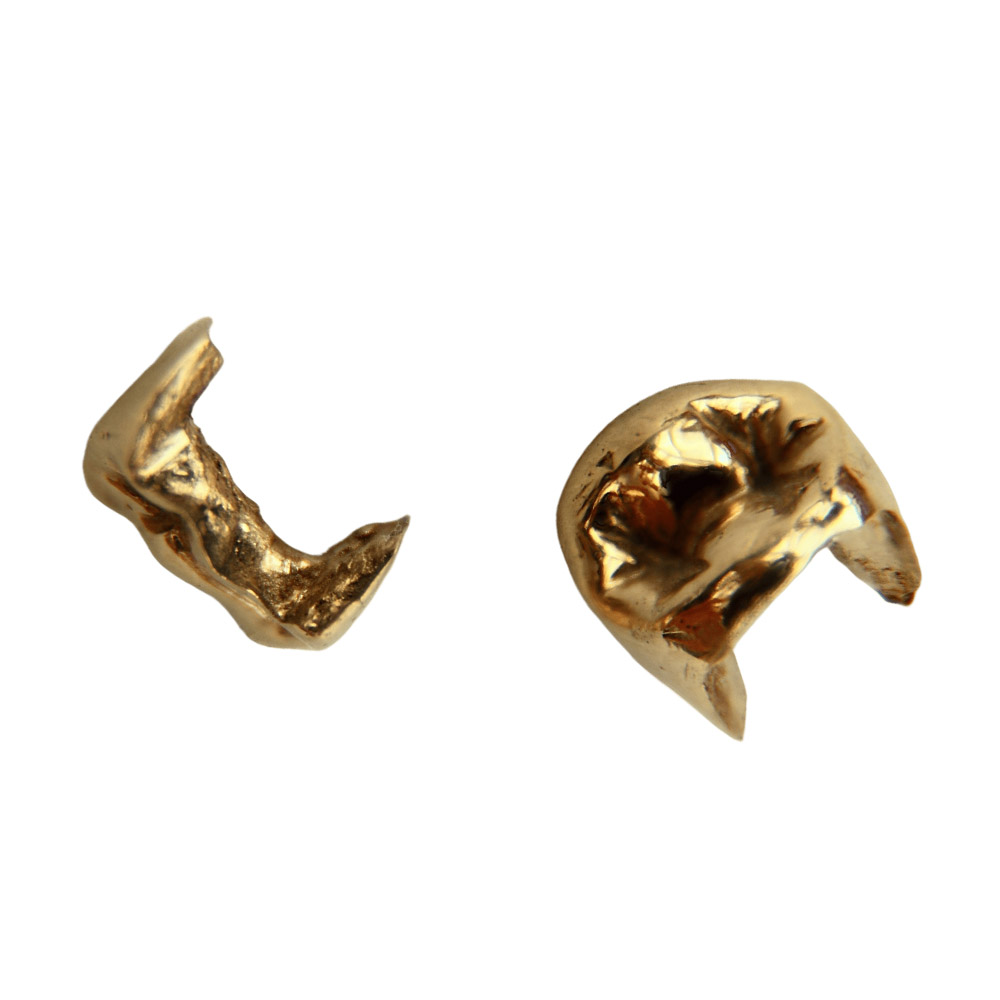
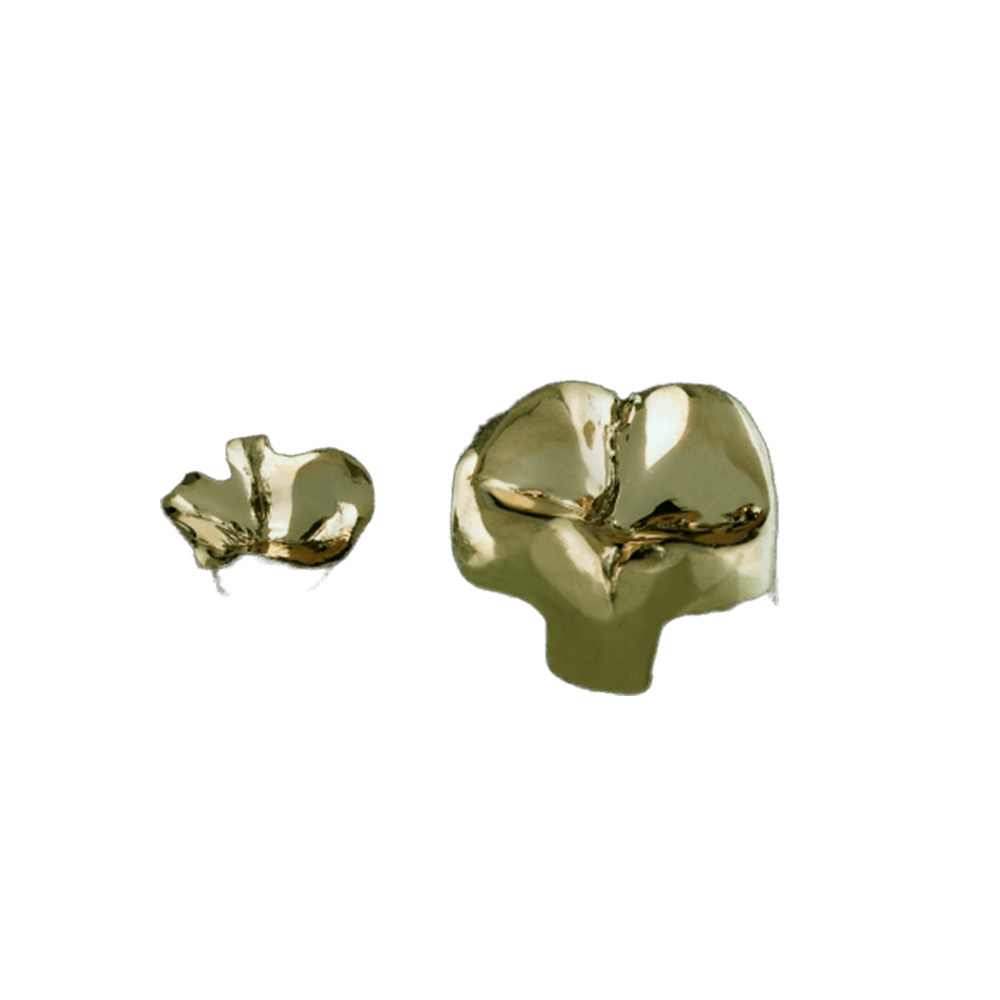
Cast-metal restoration isn’t a nostalgic line on a price sheet. It’s the option that still handles the long, heavy-load cases where every other material meets its limit. We keep that production line alive, in-house, with alloy documentation you can hand straight to the patient.
This page covers 금속 인레이 치과 그리고 metal inlay tooth work — both the routine Class II posterior case and the more demanding onlay or overlay spans — as a single product line that goes from your prescription to a sealed box with a composition certificate attached.
Product collection: what you can order from this page
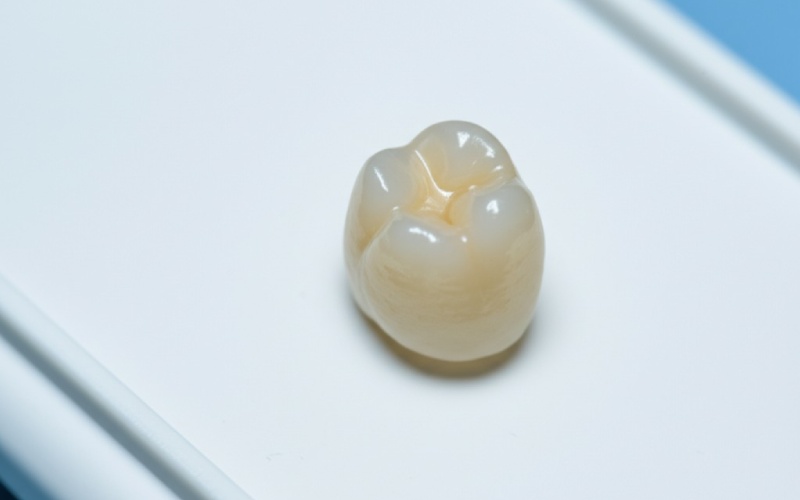
Every unit here is a custom-cast, indirect restoration — fabricated outside the mouth on a physical model or digital file, then cemented or bonded into your preparation. The behavioral difference between an inlay and an onlay is whether the restoration covers any cusp tips; the difference between an onlay and a crown is whether the restoration surrounds the entire coronal surface. We manufacture each of the six billable forms below, and every one ships with a composition certificate keyed to the alloy actually cast.
| Product line item | CDT code | Typical coverage | Alloy families we cast in | Standard in-lab turnaround* |
| Metal inlay — 1 surface | D2510 | Single-surface intracoronal (usually occlusal only) | High noble (Type II/III), noble, base metal (Co-Cr, Ni-Cr) | 7 working days |
| Metal inlay — 2 surfaces | D2520 | MO / DO / OB / OL Class II | Same as above | 7 working days |
| Metal inlay — 3+ surfaces | D2530 | MOD, larger intracoronal | Same as above | 7 working days |
| Metal onlay — 2 surfaces | D2542 | One-cusp coverage | Prefer Type II/III high noble or Type IV base metal | 9–10 working days |
| Metal onlay — 3 surfaces | D2543 | Two-cusp coverage | Same as above | 9–10 working days |
| Metal onlay — 4+ surfaces | D2544 | Three-plus-cusp coverage; overlay-territory | Type IV recommended for larger spans | 9–10 working days |
*From the day intake completes — not from the day you send the box. Rush slots (3–4 working days) are available on a per-week basis with a surcharge; call before shipping.
Ancillary product-line items on the same order form:
- Metal framework in a metal-ceramic or metal-occlusal bridge — up to 3 units, quoted per case
- Metal inlay as a partial-denture retainer — quoted per case
- Design-only service — you send the scan, we send back a CAM-ready design for your own foundry
- Milled metal alternative — case-by-case; we will tell you if it’s a fit and route to our milling side, or recommend a foundry partner if not
Why choose our cast metal inlays and onlays
Most product pages around this keyword are written to a patient audience — whether gold is pretty, whether the work lasts, whether insurance will reimburse. You already know all that. Here is why a working practice sends this kind of work to us.
1. The alloy certificate — the one artifact you can hand your patient in writing
Every unit ships with an alloy composition certificate documenting:
- The alloy brand and the ADA classification category (high noble / noble / predominantly base metal)
- The exact percentages of gold, palladium, platinum, silver, copper, zinc, nickel, cobalt, chromium, molybdenum, beryllium — whichever apply to that specific alloy
- The batch number, the date, and the technician’s stamp
This isn’t marketing. It’s a document the patient (or their allergist, or their MRI center) can actually read. The ADA’s own guide is explicit on this: a generic claim that an alloy is “biocompatible,” “premium,” or “nickel-free” requires verification from the actual certificate — the certificate is the only thing that proves it.
If a nickel-sensitive patient is on the schedule, ask us for the certificate 전에 we cast. 그리고 ADA reports that roughly 10–20% of the general population shows nickel sensitivity. Oral mucosal reactions are typically less severe than cutaneous reactions, but for an already-sensitized patient the question is not abstract. Our intake form includes three questions specifically about that, and a Co-Cr or high-noble alternative can be routed in.
2. ADA composition categories × ISO mechanical types — both labels, in plain English
Two labels get thrown around when suppliers describe an alloy. One might say “high noble,” another might say “Type III.” Neither label alone tells you what you need to know, because the two systems answer different questions:
| Axis | What it tells you | The numbers |
| ADA composition category (chemical) | How much noble metal is actually in the alloy | High noble = ≥60% gold + platinum-group metals, with ≥40% gold (by weight). Noble = ≥25% gold + platinum-group metals. Predominantly base metal = <25% noble metals. Silver is not counted as noble under this system. |
| ISO 22674 mechanical type (engineering) | How strong the alloy is and what it’s rated for | 유형 I = low-stress, single-tooth inlays. 유형 II = inlays and onlays. 유형 III = higher-stress onlays and crowns. 유형 IV = high-stress, thin sections, bridges. (Source: ISO 22674:2022) |
If a supplier tells you an alloy is “the strongest,” that’s a Type claim. If they tell you it’s “the most biocompatible,” that’s a composition claim. Both can be true of the same ingot. We specify both on every certificate.
3. Direct manufacturing, one facility, one signature line
We’ve been running as a direct-manufacturing dental lab since 2012. Manufacturing is in Shenzhen and Huizhou under one operations owner — not a trading company, not a middleman, no step outsourced to a third-party facility. About 460 people on the floor, with the Ceramic & Metal Department around 70 technicians, the CAD Design Department around 100, the Milling Department around 70, plus a dedicated Quality Control team of ~25 whose sign-off is what generates the certificate stapled to your case sheet.
Nothing on your case sheet gets to production without going through the same in-house steps. That is the difference we would ask you to test with one inlay and one onlay, not to take on our word.
Our fabrication process: how a unit moves through our shop
Each case follows the same eight checkpoints from receiving to dispatch:
| 단계 | What happens | What you can verify on the certificate |
| 1. Intake review | Photos, models, scan files, prescription checked against the prep; case accepted or returned with a reason within one working day | - |
| 2. Alloy selection | Picked from your prescription; if you wrote only “cast metal,” we default to a Type II high noble unless you said otherwise | Alloy brand, ADA category, ISO type |
| 3. Pattern fabrication | Wax pattern (conventional) or printed castable resin (digital scan workflow) | - |
| 4. Investing | Phosphate-bonded investment, burnout cycle matched to alloy | - |
| 5. Casting | Induction or centrifugal, depending on alloy | - |
| 6. Divesting and finishing | Sandblasted, sprue removed, margins verified under microscopy | - |
| 7. Try-in prep + QC | Internal fit on the die, margin continuity, contact contour verified; bite checked against your opposing-arch records | - |
| 8. Final QC + packing | Independent inspector sign-off, alloy certificate generated and stapled to the lab sheet, sealed and packed | The certificate itself |
The eight steps are the same eight steps whether the case is a routine one-surface D2510 or a four-surface D2544. What changes is the alloy family, the burnout cycle, and the design tolerances — not the sign-off gate.
What flows into step 1 from your side:
- A physical impression (PVS or alginate, sealed in a humid-wrap if it will be more than 24 hours in transit)
- OR a digital intraoral scan as STL or PLY, with the opposing arch and bite record
- Pre-operative photographs (recommended for onlay cases; required for any case where you’re requesting cuspal coverage on a structurally compromised tooth)
- The prescription form with: tooth number, desired alloy or “your recommendation,” form (inlay/onlay/overlay), intended cement if you’ve decided, and your shipping label
What we won’t accept without a re-do request:
- An STL of the prep without a separate bite registration
- A physical impression that has pulled or torn around the margin
- A scan with the margin in the sulcus and no retraction cord in the notes
- A prescription that says “inlay” on a tooth with all cusps missing
These rules aren’t gatekeeping. They’re the same conditions that make seating possible in the first appointment. Sending a fresh file is faster than an in-clinic re-prep six days later.
Working with us: how a new case reaches our desk
We’re not a website-first shop. Every case has a human intake. Most of our US and European practices have settled into a repeatable loop:
- Send the case. Upload STL and photos through the case form, or email the lab sheet; we acknowledge within one working day.
- Intake call if anything is unclear. Within 24 hours of receipt, a case coordinator calls you if anything on the prescription is ambiguous — alloy choice, margin placement, whether you want us to make the cement recommendation. If the prescription is complete, you don’t hear from us and the case moves to production.
- Production week. Standard turnaround is 7 in-lab working days from intake for inlays and onlays in conventional alloys. High-noble work and larger onlay spans are 9–10 working days. Expedited cases (3–4 working days) carry a surcharge and depend on slot availability.
- Fit-check photos sent with delivery. Every shipped case includes a try-in photograph of the restoration seated on the master die so the dentist or assistant can compare what they see at try-in to what we sent. If the photographs show something we don’t like in retrospect, we call before you open the box.
- Seating support. If the unit does not seat fully at try-in, send us a photograph and a one-line description before force-seating. We’ve seen “it wouldn’t go all the way down” turn out to be debris in the prep, a contact that needs a minor adjustment we already accounted for, and (rarely) a casting error. None of these need an argument at chairside — all of them need a phone call.
- Remake policy in writing. Each invoice carries the warranty for that case type. If a unit fails clinically under what we delivered — marginal gap on the die, alloy category mismatch, casting porosity — we remake at our cost and pay return shipping. The warranty doesn’t cover failures caused by prep geometry, occlusion forces, or a different prescription than what was actually cemented; that’s between the practice and the patient, and we can help write the lab sheet correctly so the distinction is on paper.
For practices sending 5+ cases a month, we set up a standing protocol covering alloy preference, default cement suggestion, packing convention, and shipping label — a 20-minute call, written down, so every case after that runs on the same rails.
FAQ for the practice
Do you mill as well as cast?
We cast. Milled metal (CAD/CAM soft-machining of a puck) is a valid route, and if a practice sends us STL and asks specifically for a milled unit, we’ll tell them whether the case is a fit for our milling center or whether we recommend a foundry partner. We don’t pretend to be a fully integrated CAD/CAM shop in this category — we’d rather give you a clean lost-wax casting than a milled unit we don’t trust.
Can you match the alloy the practice currently uses?
Send us the current lab’s certificate or alloy brand name and we’ll match it, or send the closest two alternatives with their full composition side by side.
What’s the thinnest section you can cast reliably?
About 0.5 mm at the margin and 1.0 mm occlusally for conventional castings. Below that we recommend a different alloy family or a different restoration design — we will not cast a thin restoration we don’t trust.
What about a partial denture framework with metal inlays as retainers?
That’s a different lab scope; we will quote it as a custom job rather than a catalog item.
Do you take rush cases?
Yes — the surcharge and slot availability vary by week. Call before sending.
What file formats do you accept?
STL and PLY from any open intraoral scanner. We can also accept 3Shape and CEREC native files. We don’t need a specific scanner to be sent to us; we work from the export.
Can you do the design as well as the casting?
Yes. We can design from the prep scan under prescription, send the design file for sign-off before casting, and adjust margins or contacts without re-prep on a second iteration. Turnaround is longer when design is on us.
Where do you ship?
Worldwide. Standing routes to the United States, Netherlands, Germany, France, Belgium, Austria, United Kingdom, Luxembourg, and Switzerland, with 2–4 working day delivery to most of Europe and the US. Cold-chain shipping is not required for our restorations.
Closing — how to start
If a case is already on the schedule, send the prescription and the scan or model to our intake mailbox and we’ll have it routed within one working day. If you’re scoping us as a new lab partner and want to test the fit, send one inlay and one onlay in the same week — a low-risk comparison that gives you a feel for our packaging, our turnaround, and our alloy documentation.
For standing-volume partnerships, site visits to our Shenzhen or Huizhou facilities can be arranged on roughly two weeks’ notice; video line-walks are also available. We’re direct-manufacturing, which means the people you talk to at the bench are the same people who sign the certificates.
Footnoted sources used in this page
| 출처 | Used for |
| ADA — Materials for Indirect Restorations | Noble-metal classification thresholds; nickel sensitivity population estimate |
| ISO 22674:2022 | Mechanical Type I–IV classifications |
| FDA — Dental Noble Metal Alloys Guidance | US device-class framework for noble-metal alloys |
| ADA CDT (via Delta Dental reproduction) | D2510–D2530 (inlay) and D2542–D2544 (onlay) code list |
| UnitedHealthcare Commercial Dental Policy — Single-Tooth Indirect Restorations | Independent confirmation of inlay/onlay code distinction |
| Wiley — review of partial-coverage restorations | Cast-gold onlay survival at 10 and 20 years; overlay-terminology caveat |
| PMC — long-term retrospective on cast-metal restorations | 14.9-year and 23.5-year survival cohort |
| Springer — base-metal alloy composition reference | Ni-Cr and Co-Cr typical composition ranges |
| PMC — MRI artifact review for dental restorations | MRI safety discussion |
| Glossary of Dental Terms — Inlay | Definitional baseline |
| Covered USA — dental filling cost range | Patient-side quote range disclosure |
| FAIR Health Consumer | Regional fee estimate tool referenced in cost-transparency section |